Non-ablative Radiofrequency for Hyperhidrosis
Non-ablative Radiofrequency for Hyperhidrosis
Mark S. Nestor, Alexandria Bass, Raymond E. Kleinfelder, Jonathan Chan and Michael H. Gold Center for Clinical and Cosmetic Research, Center for Cosmetic Enhancement, Aventura, FL, USA Department of Dermatology and Cutaneous Surgery, University of Miami, Miller School of Medicine, Miami, FL, USA Department of Surgery, Division of Plastic Surgery, University of Miami, Miller School of Medicine, Miami, FL, USA Center for Clinical and Cosmetic Research, Aventura, FL, USA Gold Skin Care Center, Nashville, TN, USA
Abstract
Hyperhidrosis is the most common sweating disorder and can cause significant interference on quality of life. Current treatment options include topical aluminum chloride, lasers, tap water iontophoresis, oral glycopyrrolate, botulinum A toxin, surgical excision of the skin and sweat gland layer, or sympathetic nerve blocks. In recent years, thermotherapy has emerged as an alternative treatment option. Radiofrequency thermotherapy (RFTT) utilizes electromagnetic radiation to produce electric current. When this current meets resistance within the tissue, it produces heat to denature proteins and permanently destroy sweat glands. Fractional radiofrequency differs from monopolar, unipolar, and bipolar radiofrequency as it allows unaffected regions to serve as a reservoir of cells to accelerate healing and maintain skin integrity. When compared to other types of radiofrequency, fractional delivery causes less patient discomfort and less downtime. Studies have shown a significant decrease in the amount of sweating and improvement in quality of life. Radiofrequency is a promising alternative treatment method to those with hyperhidrosis.
Keywords HyperhidrosisThermotherapyRadiofrequency
Introduction
Sweating is a mechanism that occurs in humans to maintain homeostasis, prevent overheating, and is necessary for survival. The process is activated by the autonomic nervous system. Triggers include but are not limited to heat, emotions, gustatory sensations, and axon reflexes. All of these triggers stimulate the eccrine glands to produce sweat (a 99–99.5% aqueous solution in healthy individuals). However, some individuals experience disturbances in the sweating process and they are categorized into two groups: hypohidrosis/anhidrosis (diminished or absent sweat production) and hyperhidrosis (excessive sweat production). Hyperhidrosis is the more common complaint and affects 0.5% of the United States’ population to an extent that it interferes with their quality of life and activities of daily living. It can occur anywhere on the body but most commonly affects the axilla, face, palms, and soles. It affects both sexes equally, but women often seek treatment more frequently and especially for axillary hyperhidrosis (Hurley 2003; Schick et al. 2016; Solish et al. 2007).
There are several current treatment options available to people who suffer from hyperhidrosis. Conservative methods include application of aluminum chloride, lasers, tap water iontophoresis, systemic anticholinergic agents such as oral glycopyrrolate, and frequent botulinum A toxin injections. Many patients find these conservative treatments unsatisfactory due to the need for continuous maintenance. On the contrary, there are more permanent and effective surgical options available. These include surgical excision of the skin and sweat gland layer or sympathetic nerve blocks, but many patients find these methods too invasive (Hurley 2003; Schick et al. 2016).
Radiofrequency Thermotherapy
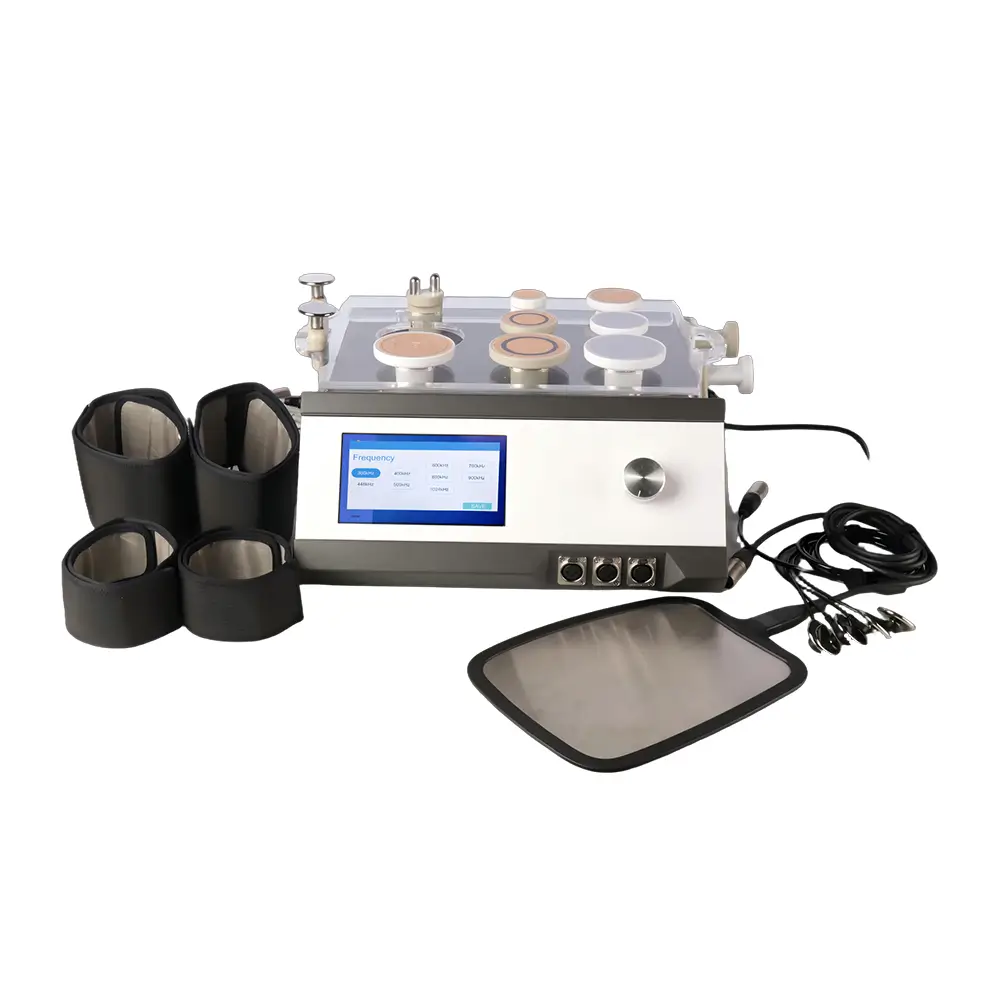
Due to this gap in current treatment, thermotherapy has emerged as an alternative treatment option over recent years. Using lasers, microwaves, and now radiofrequency waves, thermotherapy uses heat at a temperature greater than 56 °C to denature proteins and permanently destroy sweat glands. Radiofrequency thermotherapy (RFTT) is performed by using a device, either using electrodes or microneedles, to give off thermal energy. It does this by using electromagnetic radiation to produce electric current in the frequency range of 3 kHz–300 MHz. When this current meets resistance within the tissue, it produces heat (Lolis and Goldberg 2012). The advantage of using radiofrequency over lasers is that it is not affected by tissue diffraction or chromophore absorption. The energy can be delivered to the target tissue more precisely than previous methods without damaging the epidermis like older ablative methods. Depending on the penetration depth used and type of radiofrequency, this non-ablative technique has been approved for wrinkle reduction, skin tightening, treating striae, and, when penetrated deeper, for hyperhidrosis (Schick et al. 2016; Elsaie 2009) (see chapter “Non-ablative Radiofrequency for Facial Rejuvenation,” this volume).
Types of Radiofrequency
Monopolar Radiofrequency
Radiofrequency was first developed in the 1920s to be used for electrocautery. It evolved and is used most extensively now in dermatology for skin rejuvenation. It was first approved by the FDA in 2002 for facial wrinkle reduction and was known by the names Thermage® and ThermaCool®. These devices use monopolar radiofrequency, meaning they use one electrode to deliver current and another electrode to contact the skin and act as a grounding pad. This device heats the dermis to 65–75 °C to cause partial denaturing of collagen which enables retraction and thickening of the collagen. A cooling spray is used simultaneously to protect the epidermis and keep it between 35 °C and 45 °C. Since its development, this device has now been used to treat rhytids, acne scars, and cellulite. The main reported limitations to monopolar radiofrequency are patient discomfort and results that are more modest when compared to more invasive procedures (Lolis and Goldberg 2012; Elsaie 2009).
Unipolar Radiofrequency
Unipolar radiofrequency is another form of radiofrequency used in dermatology. In contrast to monopolar radiofrequency, unipolar uses high-frequency electromagnetic radiation at 40 MHz to produce heat, rather than electric current. This method allows deeper penetration of the skin to depths of 15–20 mm, which is helpful in treating disorders of the dermis such as cellulite (Lolis and Goldberg 2012).
Bipolar Radiofrequency
Bipolar radiofrequency is performed by using two active electrodes over the treatment area rather than only one electrode that is used in monopolar. The current flows between the electrodes to a depth that is half the distance between the electrodes. Compared to monopolar radiofrequency, bipolar cannot penetrate as deep but produces less pain and more controlled energy. It is commonly used with light-based systems, electro-optical synergy (ELOS), vacuum systems, or functional aspiration controlled electrothermal stimulation (FACES), to help control the energy depth through the skin. Bipolar devices are used to treat facial laxity, rhytids, pigmented and vascular lesions, acne and acne scarring, hair removal, and cellulite (Lolis and Goldberg 2012; Elsaie 2009).
Fractional Radiofrequency
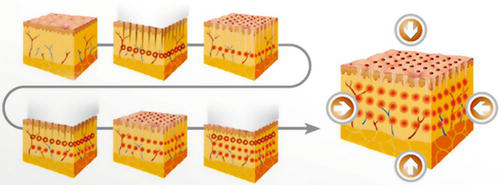
Fractional radiofrequency is a newer approach that delivers bipolar energy either via electrodes or microneedles arranged in pairs. The microneedle method allows for even more precise delivery of energy to the targeted tissue by creating zones of affected skin adjacent to non-affected skin (Fig. 1; Weiner 2013). This energy, like the other techniques, results in thermal damage in order to stimulate collagen remodeling but differs by allowing the unaffected regions to serve as a reservoir of cells to accelerate healing and maintain skin integrity. When compared to other types of radiofrequency, fractional delivery causes less patient discomfort and less downtime. In addition, this delivery technique has been studied for its usage in treating hyperhidrosis (Schick et al. 2016; Lolis and Goldberg 2012).
Clinical Trials Using Radiofrequency for Hyperhidrosis
In 2012, Hong et al. (2012) found that using microwaves to treat axillary hyperhidrosis could provide long lasting effects. Since then, studies evaluating the efficacy of using radiofrequency waves to treat primary axillary hyperhidrosis (PAH) have been conducted.
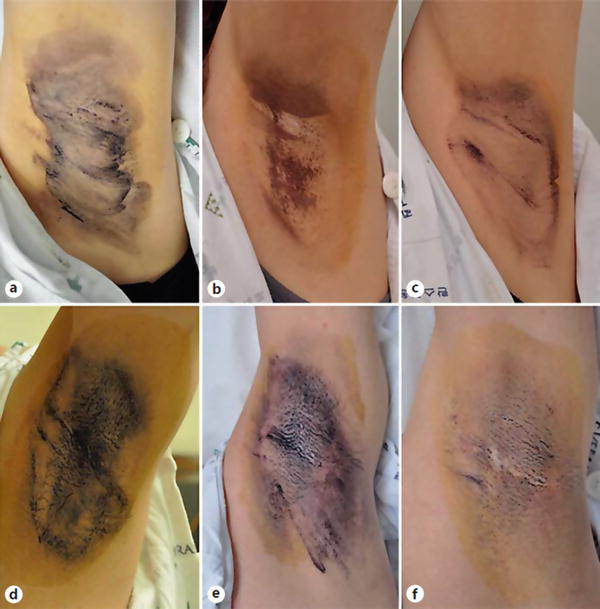
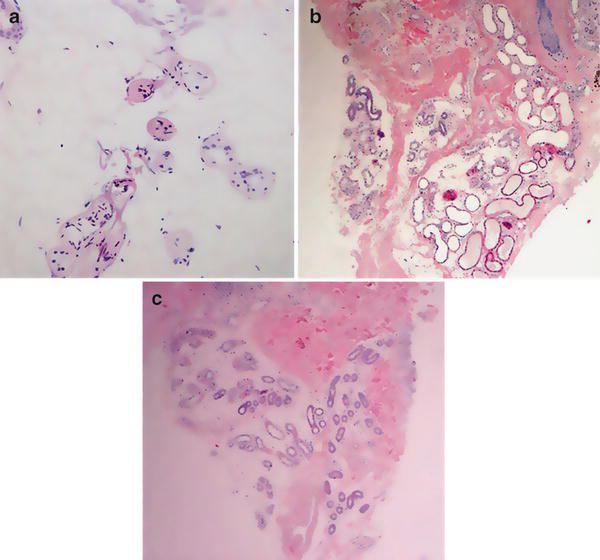
Kim et al. (2013) conducted one of the first pilot studies in 2013 looking at fractional microneedle radiofrequency (FMR) for PAH. Twenty subjects with severe hyperhidrosis were enrolled and treated with two sessions of FMR at 4-week intervals. Outcome assessments were performed using starch-iodine tests to outline the area of excessive sweating and quantify sweat reduction. Eight weeks after the second treatment they found a significant decrease in the amount of sweating and 70% of subjects said they experienced greater than a 50% improvement in sweating (Fig. 2). Histologic samples retrieved before and after the treatment sessions showed that the glands being targeted were at a depth between 2 and 4 mm. In addition, after 1 month, a decrease in the density and size of the apocrine and eccrine glands was observed (Fig. 3). The most common side effects were transient and consisted of tingling, swelling, and erythema. Two subjects experienced compensatory hyperhidrosis.
Abtahi-Naeini and Fatemi Naeini et al. also published three articles pertaining to FMR for PAH. In their 2014 study (Naeini et al. 2014), they enrolled 25 subjects with PAH who failed previous conservative therapy to undergo 3 sessions of FMR at 3-week intervals. Each subject was their own control with one axilla treated with FMR and the other with a sham device. Three months after the last treatment, significant improvement was observed in these patients with 80% reporting more than 50% satisfaction at the end of the study. Histological samples also showed a decrease in the number of sweat glands on the treated side. The most common side effects were erythema and pinpoint bleeding. In their 2015 publication (Abtahi-Naeini et al. 2015), they evaluated the quality of life in these 25 subjects and found that there was a statistically significant improvement between the before and after intervention questionnaires. In their 2016 article (Abtahi-Naeini et al. 2016), they continued to follow these subjects and 1 year later, they found 10 patients who did not experience any relapse of their hyperhidrosis. However, they did find a significant correlation between hyperhidrosis relapse and change in body mass index.
Most recently in 2016, Schick et al. (2016) conducted a trial for axillary hyperhidrosis. This study enrolled 30 subjects with axillary hyperhidrosis who had all previously attempted conservative treatment. They were all treated three times with radiofrequency thermotherapy at 6 week intervals, using the microneedle approach. Each treatment consisted of two consecutive rounds with a penetration depth of 3 mm. After 6 months, 27 subjects saw improvement in their sweating with an average reduction of 72% in their sweating. The average quality of life score also improved significantly. Side effects reported, starting with the most frequent, were erythema, exudation or scab, postanesthesia pain, petechial bleeding during the procedure, twitching of the arm during the procedure, and needle-puncture sites visible after 6 months.
Conclusion
In conclusion, radiofrequency therapy, especially using FMR, can offer an alternative treatment method to those with PAH who have failed previous therapy. Further studies will need to be performed in order to see consistent results regarding radiofrequency device settings and their long-term effects.
Take Home Messages
- Hyperhidrosis is the most common sweating disorder and can cause significant interference on quality of life.
- Radiofrequency thermotherapy (RFTT) utilizes electromagnetic radiation to produce electric current. When this current meets resistance within the tissue, it produces heat to denature proteins and permanently destroy sweat glands.
- Fractional radiofrequency is a newer approach that differs by allowing untreated areas to serve as a reservoir of cells to accelerate healing and maintain skin integrity.
- When compared to other types of radiofrequency, fractional delivery causes less patient discomfort and less downtime. In addition, this delivery technique has been studied for its use in treating hyperhidrosis.
- Studies have shown a significant decrease in the amount of sweating and improvement in quality of life.
- Radiofrequency is a promising alternative treatment method for those with hyperhidrosis.
Cross-References
- Ablative Radiofrequency in Cosmetic Dermatology
- Non-ablative Radiofrequency for Cellulite (Gynoid Lipodystrophy) and Laxity
References
Abtahi-Naeini B, Naeini F, Adibi N, Pourazizi M. Quality of life in patients with primary axillary hyperhidrosis before and after treatment with fractionated microneedle radiofrequency. J Res Med Sci. 2015;20(7):631–5.
Abtahi-Naeini B, Naeini F, Saffaei A, Behfar S, Pourazizi M, Mirmohammadkhani M, Bolandnazar N. Treatment of primary axillary hyperhidrosis by fractional microneedle radiofrequency: is it still effective after long-term follow-up? Indian J Dermatol. 2016;61(2):234.
Elsaie ML. Cutaneous remodeling and photorejuvenation using radiofrequency devices. Indian J Dermatol. 2009;54(3):201–5.
Hong CH, Lupin M, O’Shaughnessy KF. Clinical evaluation of a microwave device for treating axillary hyperhidrosis. Dermatol Surg. 2012;38(5):728–35.
Hurley HJ. Diseases of the eccrine sweat glands: hyperhidrosis. In: Dermatology, vol. 1. Spain: Mosby by Elsevier Limited; 2003. p. 567–75.
Kim M, Shin JY, Lee J, Kim JY, Oh SH. Efficacy of fractional microneedle radiofrequency device in the treatment of primary axillary hyperhidrosis: a pilot study. Dermatology. 2013;227(3):243–9.
Lolis MS, Goldberg DJ. Radiofrequency in cosmetic dermatology: a review. Dermatol Surg. 2012;38(11):1765–76.
Naeini FF, Abtahi-Naeini B, Pourazizi M, Nilforoushzadeh MA, Mirmohammadkhani M. Fractionated microneedle radiofrequency for treatment of primary axillary hyperhidrosis: a sham control study. Australas J Dermatol. 2014;56(4):279–84.
Schick CH, Grallath T, Schick KS, Hashmonai M. Radiofrequency thermotherapy for treating axillary hyperhidrosis. Dermatol Surg. 2016;42(5):624–30.
Solish N, Bertucci V, Dansereau A, Hong HC, Lynde C, Lupin M, Storwick G. A comprehensive approach to the recognition, diagnosis, and severity-based treatment of focal hyperhidrosis: recommendations of the Canadian Hyperhidrosis Advisory Committee. Dermatol Surg. 2007;33(8):908–23.
Weiner S. FINALLY…A radiofrequency (RF) skin tightening device that makes sense. Infini by Lutronic. Includes an overview of the RF skin tightening industry. 2013. https://stevenfweinermd.wordpress.com/2013/09/22/dr-steve-weiner-finally-a-radiofrequency-rf-skin-tightening-device-that-makes-sense-infini-by-lutronic/. Retrieved 2 Feb 2017.