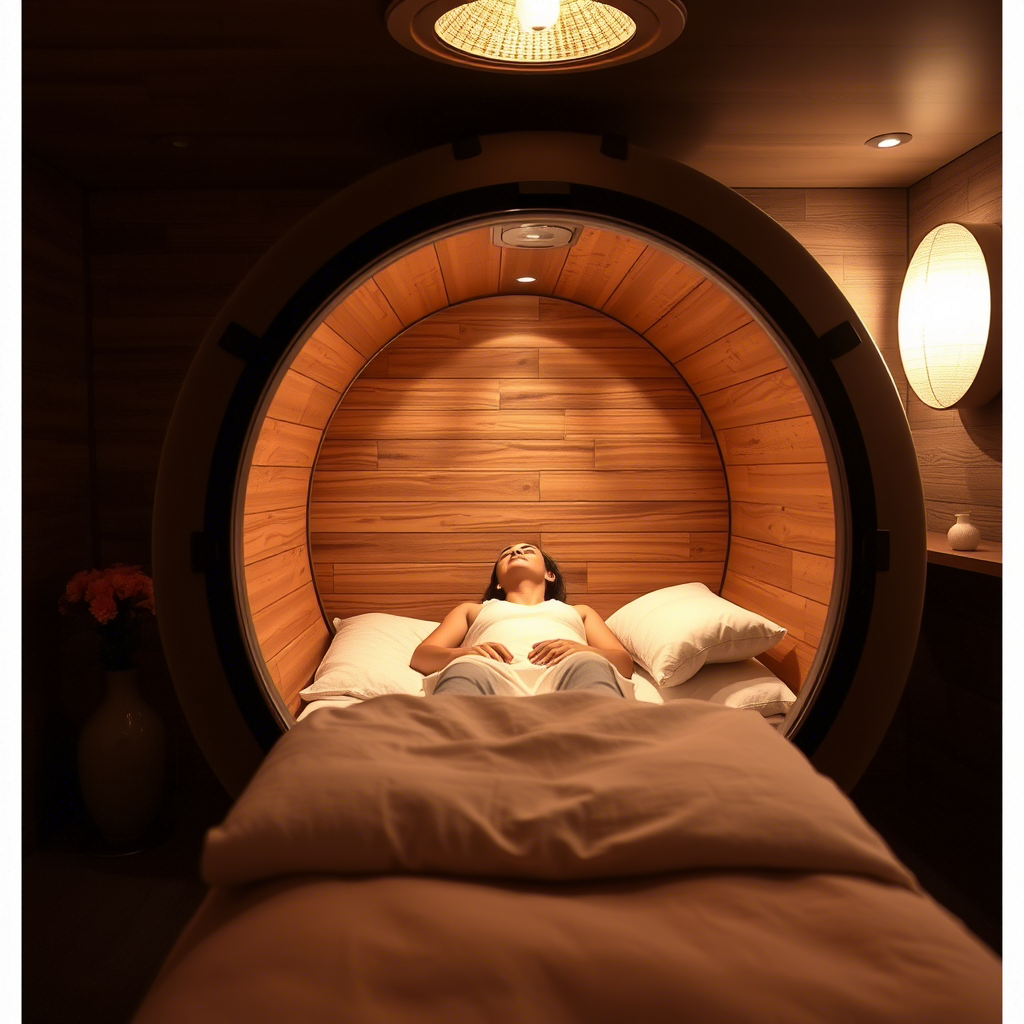
Hyperbaric Oxygen Chamber
Increase blood oxygen tension/increase blood oxygen content .
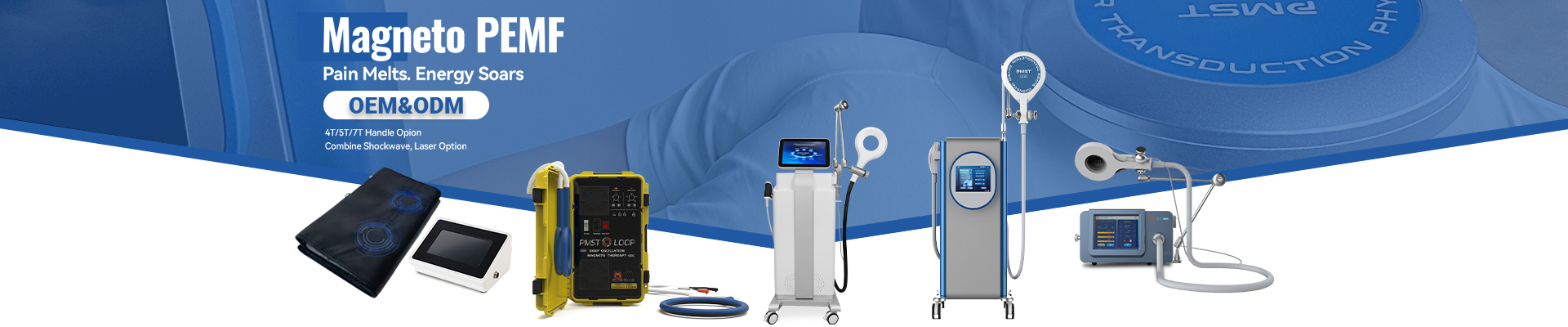
With its cutting-edge design, focus shockwave enables maximum tissue penetration, unlocking the full potential of biological effects for unparalleled healing.
Product Name
2.0ATA Hyperbaric Oxygen Chamber
Pressure
1.3ata/1.5ata/2.0ata
Oxygen Flow Rate
15L/Min
Air Flow Rate
120L/Min
Oxygen concentration
90% ± 3
Pressure Value: 2.0ata
2.0ata
Oxygen concentration: 90%+-3
90%+-3
Chamber Material: TPU
TPU
MaterialSizes: 80cm(D)*200CM(L)
80cm(D)*200CM(L)



Description
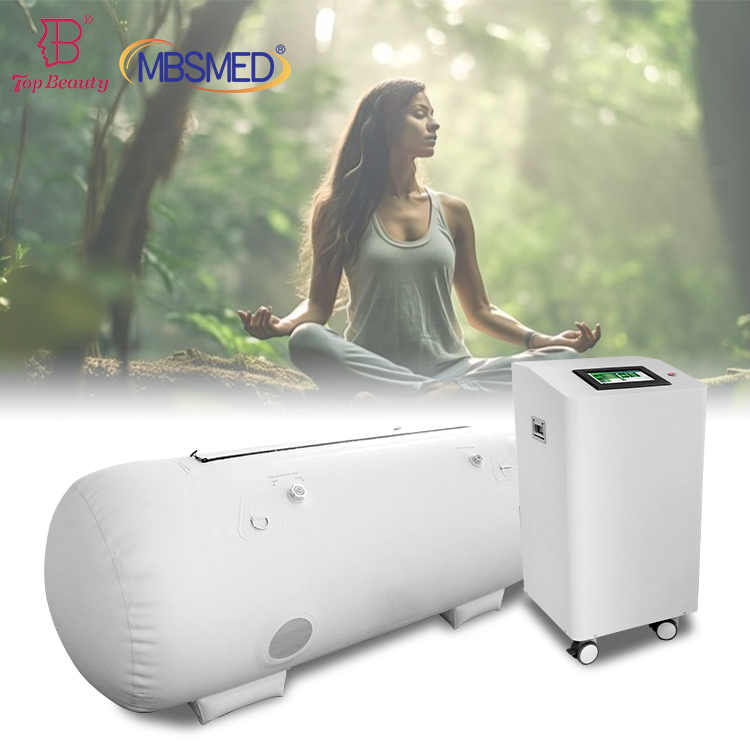
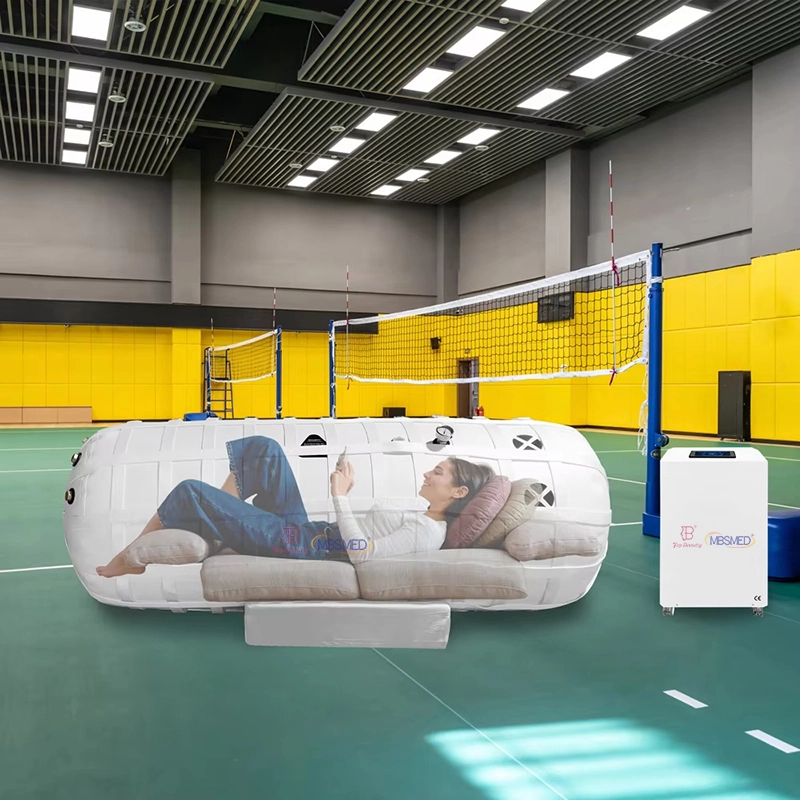
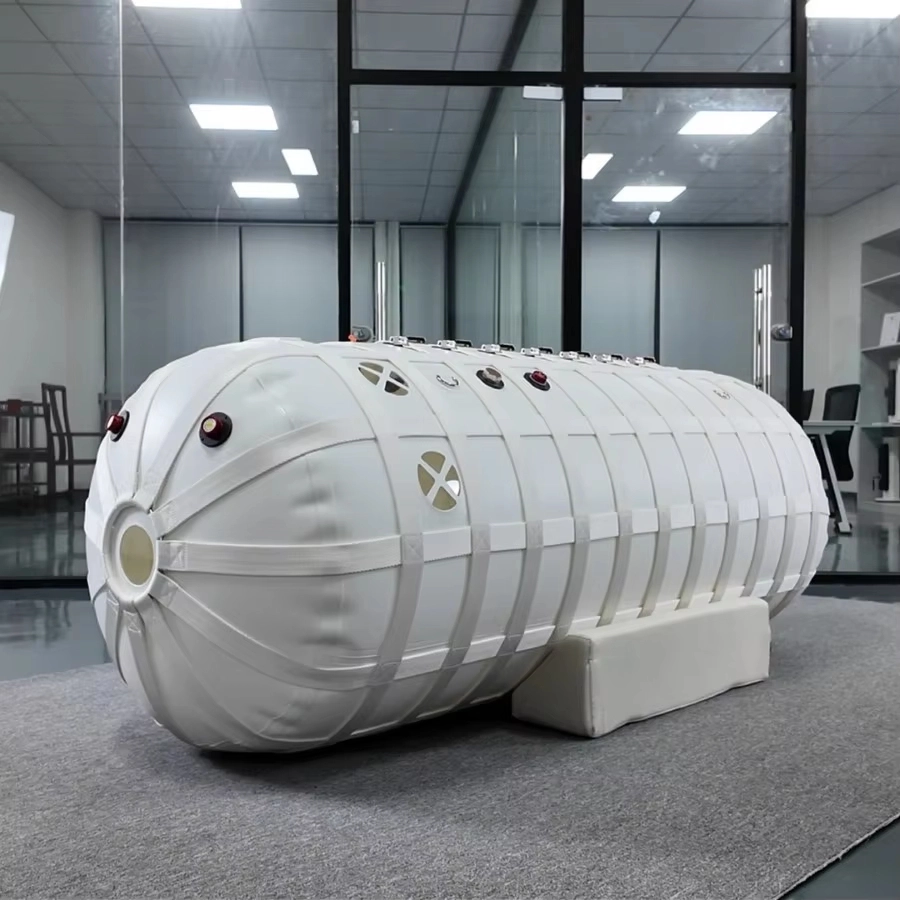
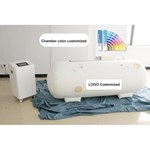
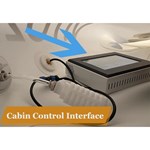
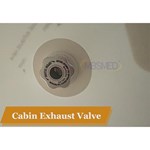
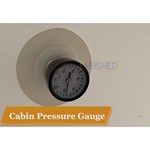
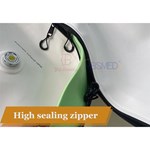
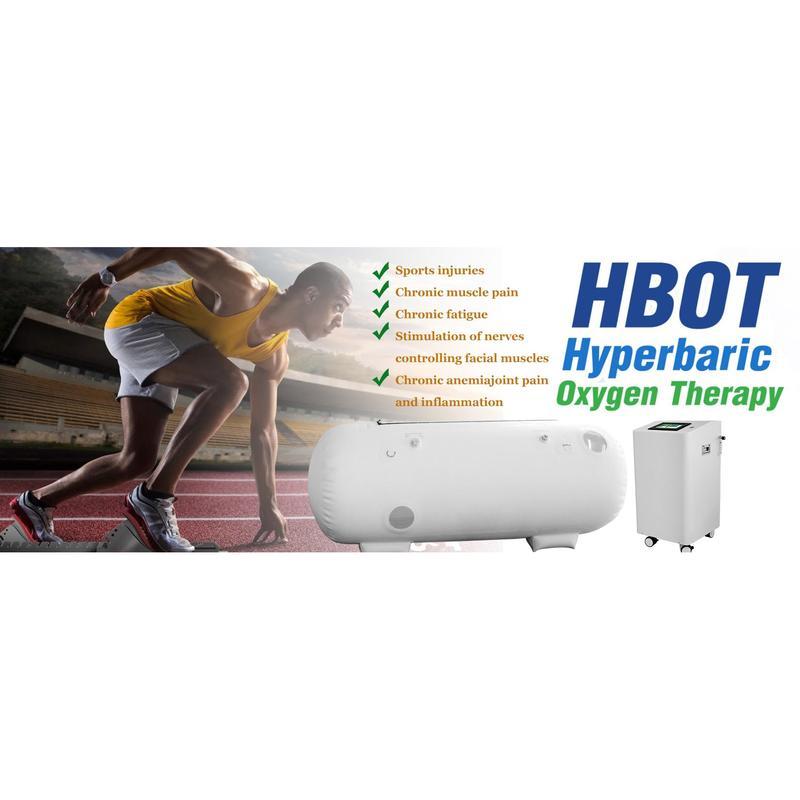
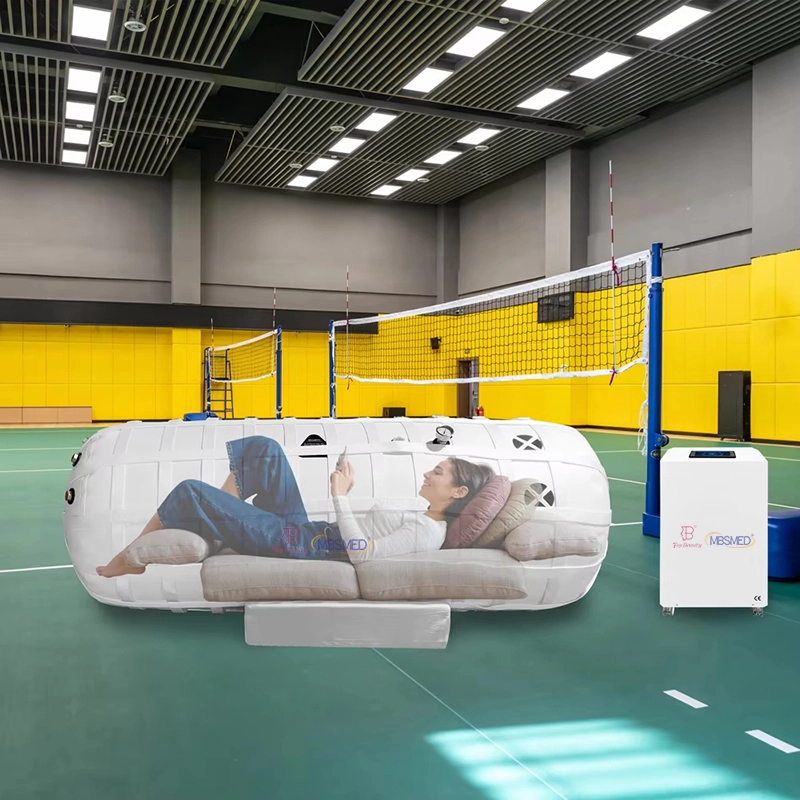
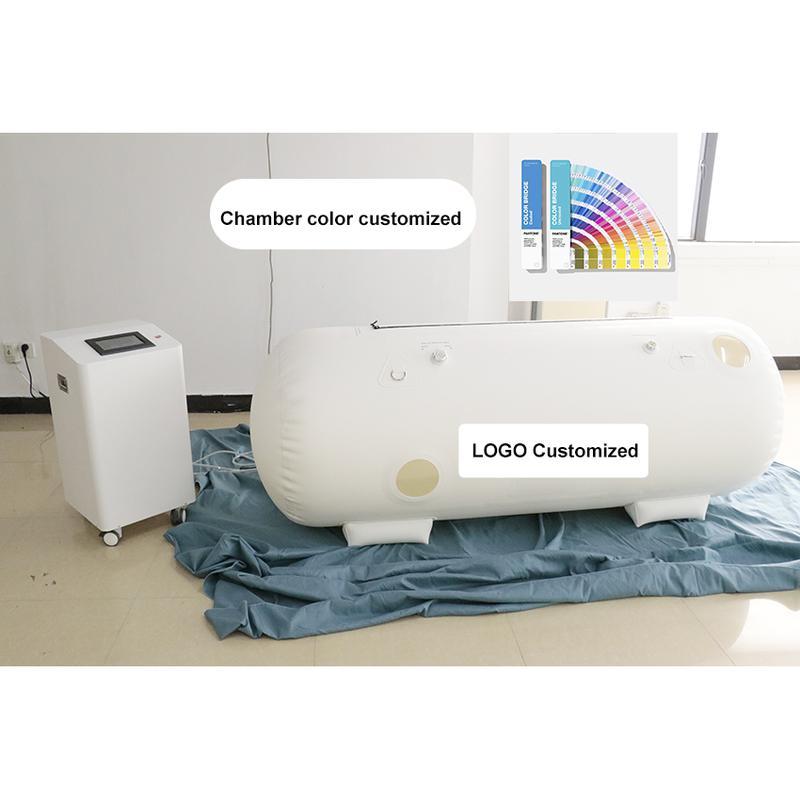
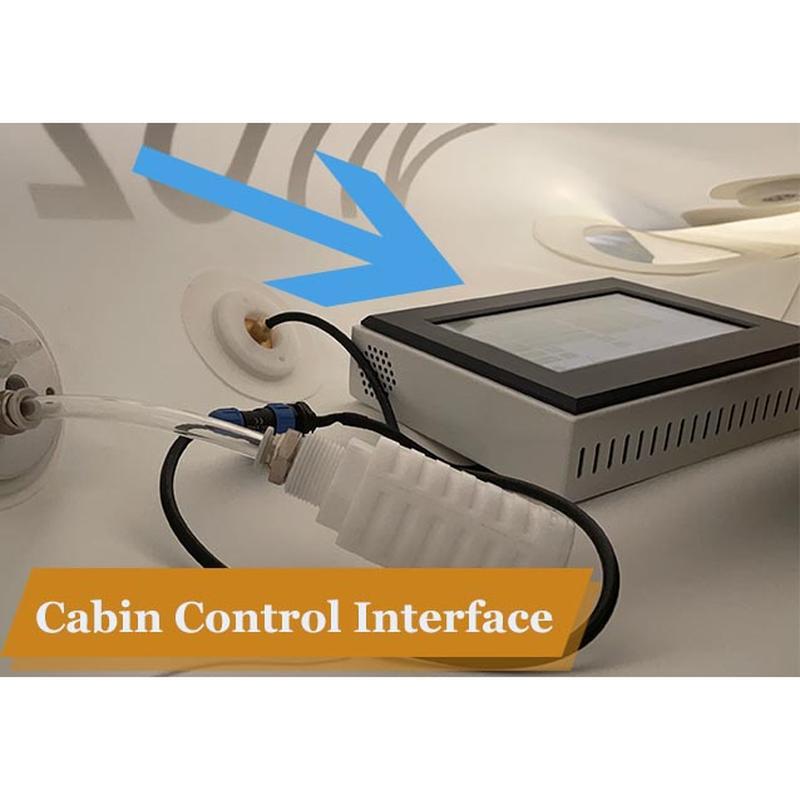
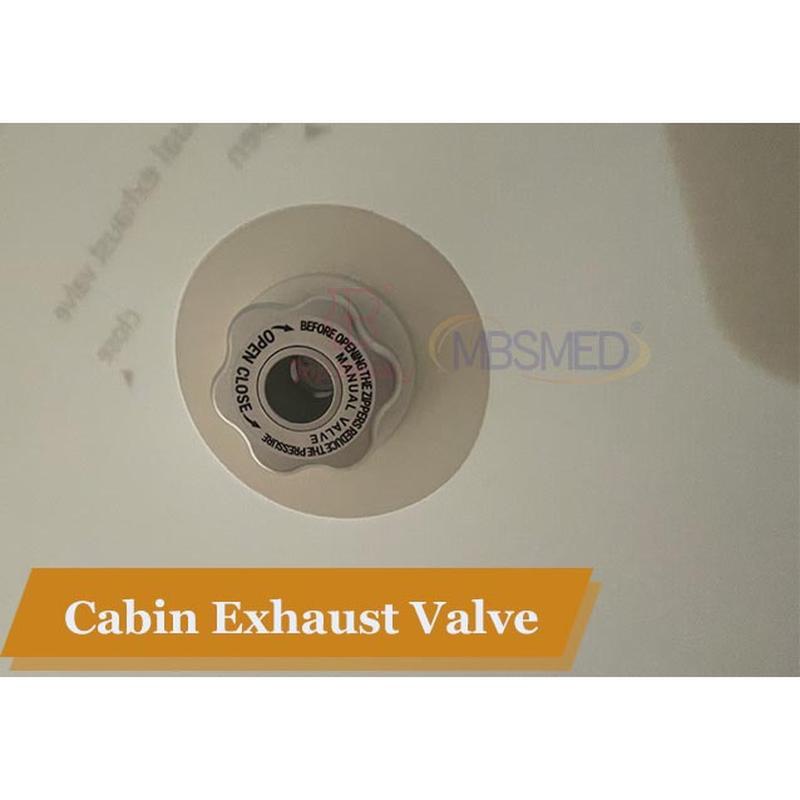
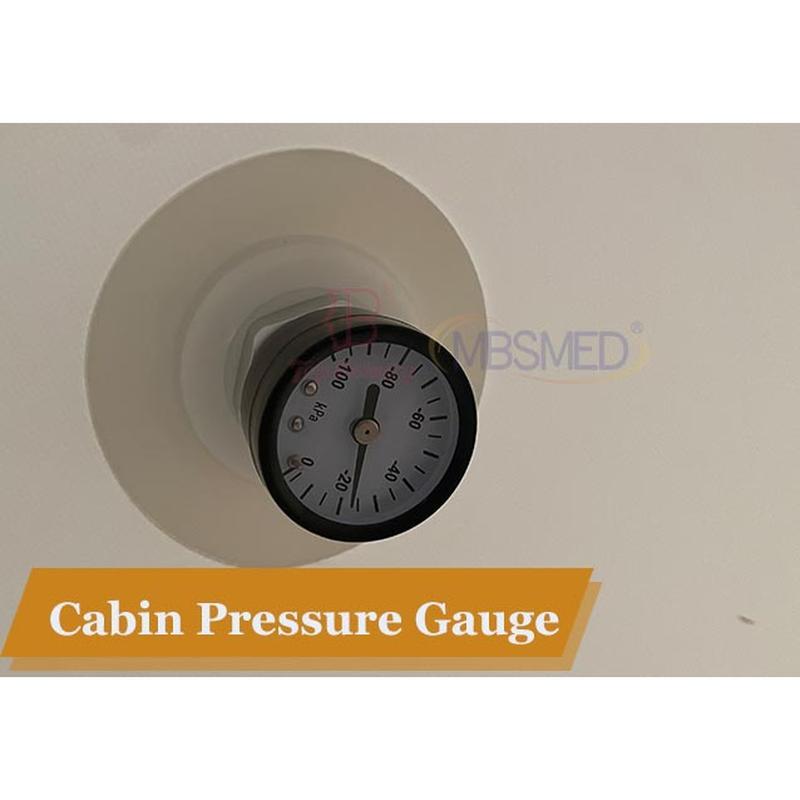
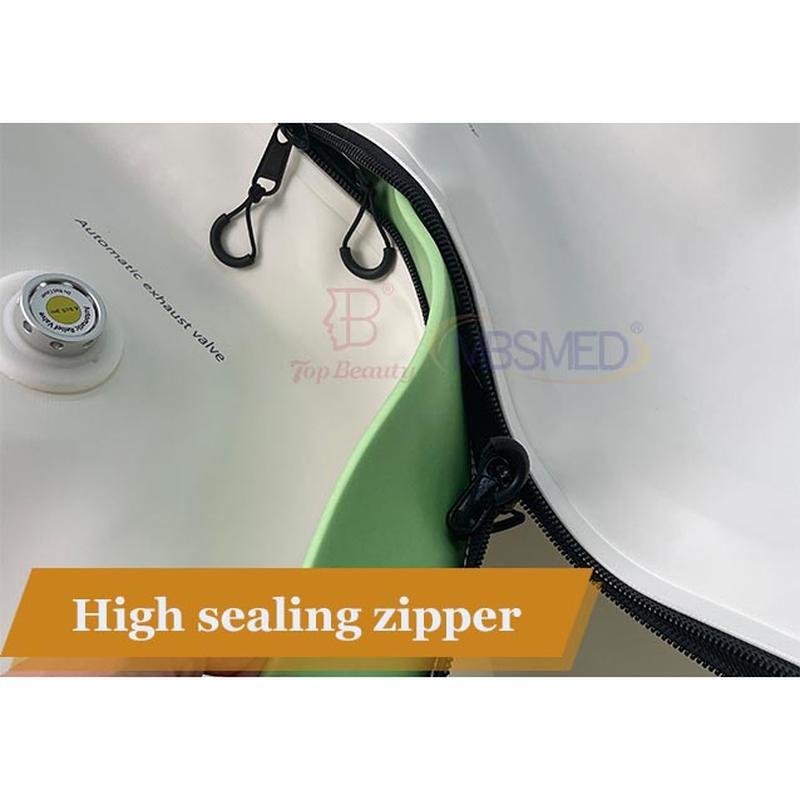
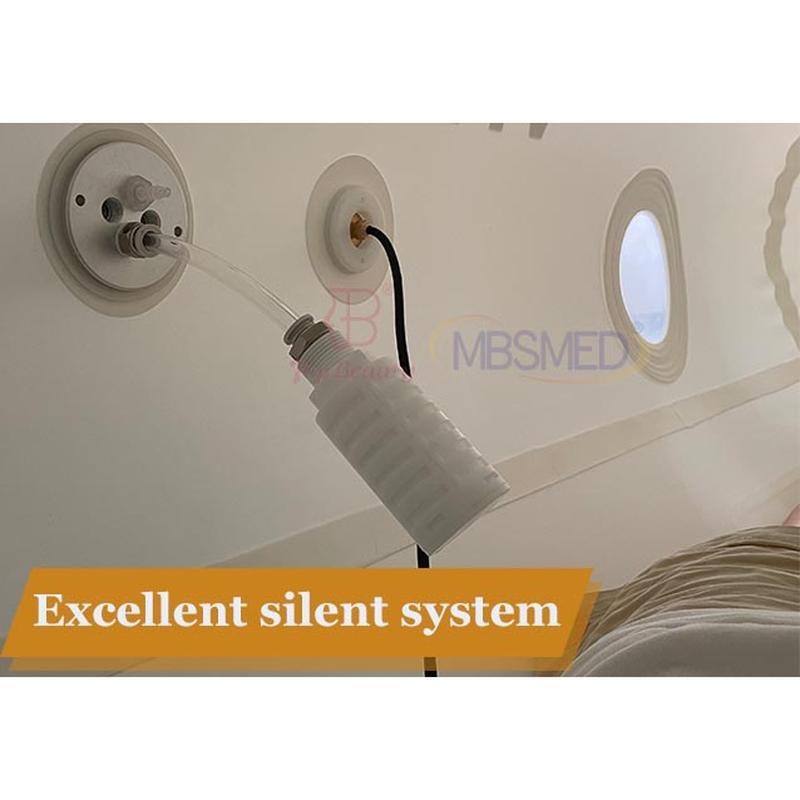
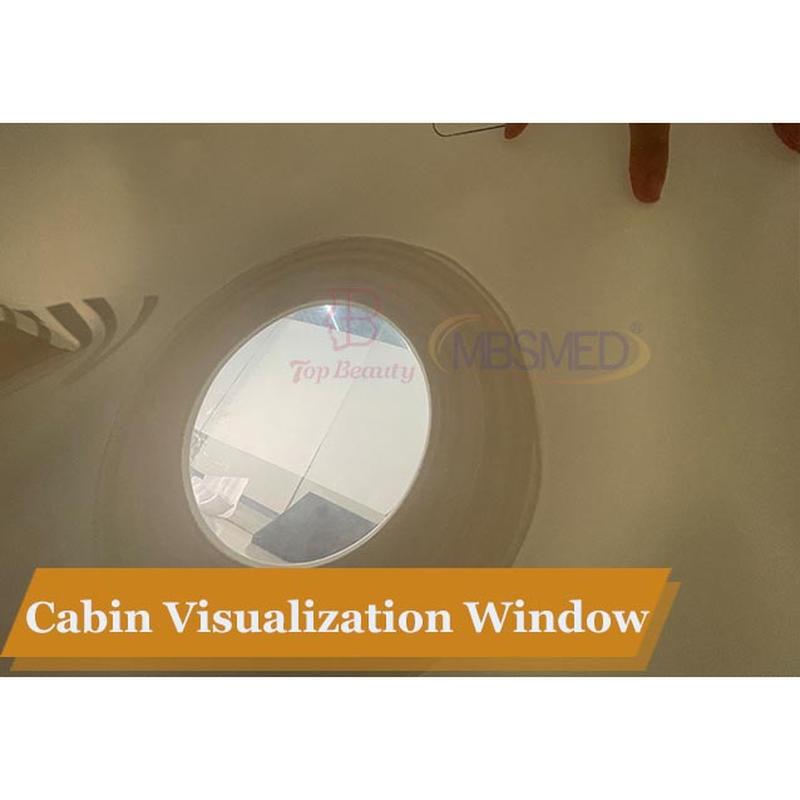
The chamb physiotherapy oxygen cabin is composed of a high-strength TPU nanocomposite fiber material cabin (safety door, observation window, safety valve), a pressurized oxygen-enhancing machine, and an air circuit.
The body is in a chamb environment to breathe pure oxygen at the same pressure as the environment, which is called chamb oxygen. Breathing pure oxygen at more than one atmosphere pressure is called chamb oxygen therapy. It can eliminate fatigue, improve body resistance, help beauty and beauty, prevent the occurrence of geriatric diseases.
HBOT Application:
- Severe anemia
- Brain abscess
- Bubbles of air in your blood vessels, known as arterial gas embolism
- Burns
- Carbon monoxide poisoning
- Crushing injury
- Deafness, sudden
- Decompression sickness
- Gangrene
- Infection of skin or bone that causes tissue death
- Nonhealing wounds, such as a diabetic foot ulcer
- Radiation injury
- Skin graft or skin flap at risk of tissue death
- Traumatic brain injury
- Vision loss, sudden and painless
Specification:
| Pressure Value | 1.0ata ~2.0ata |
| Oxygen concentration | 90%+-3 |
| Chamber Material | TPU |
| MaterialSizes | 80cm(D)*200CM(L) |
Hyperbaric Oxygen Chamber – Frequently Asked Questions (FAQ)
1. What is a Hyperbaric Oxygen Chamber?
A Hyperbaric Oxygen Chamber is a medical or wellness device that allows a person to breathe high-concentration oxygen in a pressurized environment. The increased pressure enables more oxygen to dissolve into the bloodstream and reach tissues that may be oxygen-deprived.
2. How does hyperbaric oxygen therapy (HBOT) work?
Under increased atmospheric pressure, oxygen is absorbed not only by red blood cells but also directly into plasma, lymph, and other body fluids. This significantly enhances oxygen delivery to tissues, supporting cell repair, inflammation reduction, and healing processes.
3. What conditions can benefit from HBOT?
HBOT is commonly used to support recovery in conditions such as:
- Chronic wounds and slow-healing injuries
- Sports injuries and muscle recovery
- Post-surgical rehabilitation
- Fatigue and stress-related conditions
- Skin rejuvenation and anti-aging support
- Certain neurological and circulatory conditions
(Clinical indications may vary depending on chamber type and local regulations.)
4. Is HBOT anti-inflammatory?
Yes. HBOT is widely recognized for its anti-inflammatory effects. Increased oxygen availability helps reduce tissue swelling, supports immune regulation, and accelerates repair in inflamed or damaged tissues.
5. What does a session feel like?
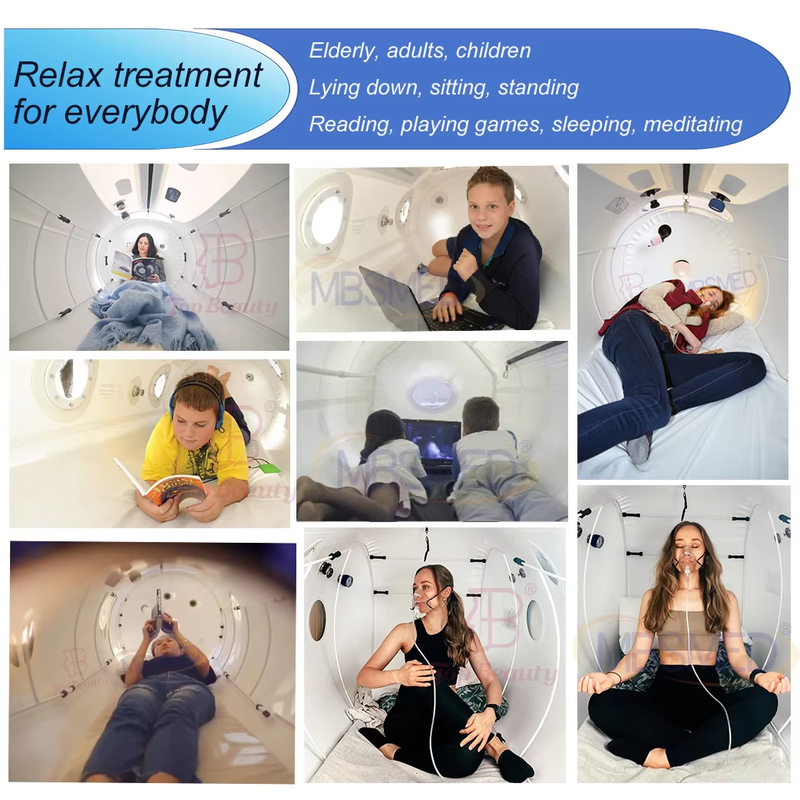
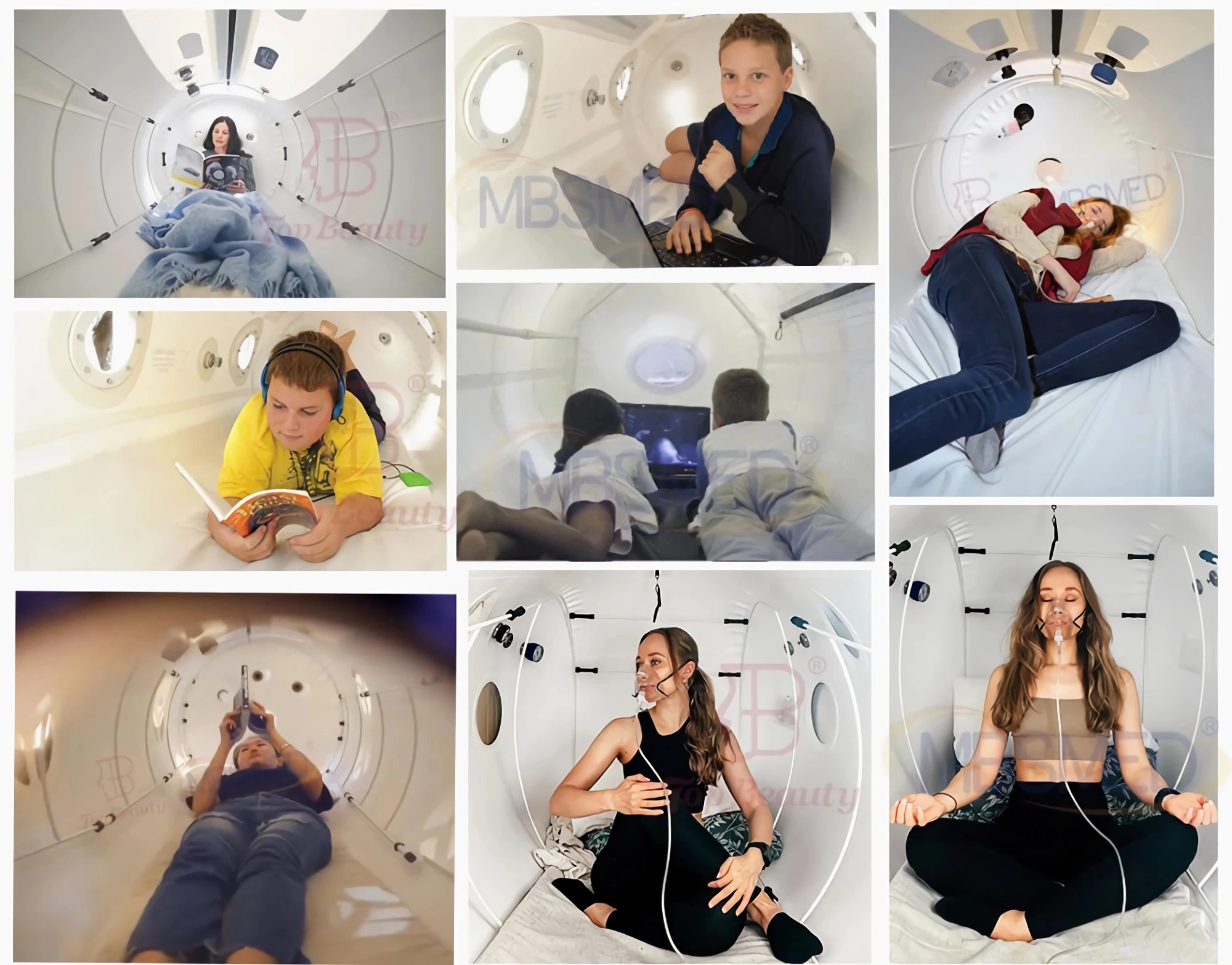
Most users feel a gentle pressure change similar to airplane takeoff or landing. During the session, people typically relax, read, or sleep. Mild ear pressure may occur, which can usually be relieved by swallowing or yawning.
6. How long is a typical HBOT session?
A standard session lasts 60 to 90 minutes, depending on the treatment protocol, chamber type, and therapeutic goal.
7. How many sessions are recommended?
The number of sessions varies by condition and goals:
- Wellness and recovery: 5–10 sessions
- Chronic conditions or rehabilitation: 20–40 sessions
- A professional assessment is recommended to determine an appropriate plan.
8. Is hyperbaric oxygen therapy safe?
When used properly and under professional guidance, HBOT is generally considered safe. Modern chambers include multiple safety systems for pressure control and oxygen delivery. Users should always follow operating instructions and screening guidelines.
9. Are there any side effects?
Side effects are usually mild and temporary, such as:
- Ear pressure or fullness
- Mild fatigue after sessions
- Temporary vision changes (with extended clinical use)
Serious side effects are rare when protocols are followed correctly.
10. Who should not use a hyperbaric oxygen chamber?
HBOT may not be suitable for individuals with:
- Untreated pneumothorax (collapsed lung)
- Certain severe lung conditions
- Active respiratory infections (in some cases)
Medical consultation is advised before starting therapy.
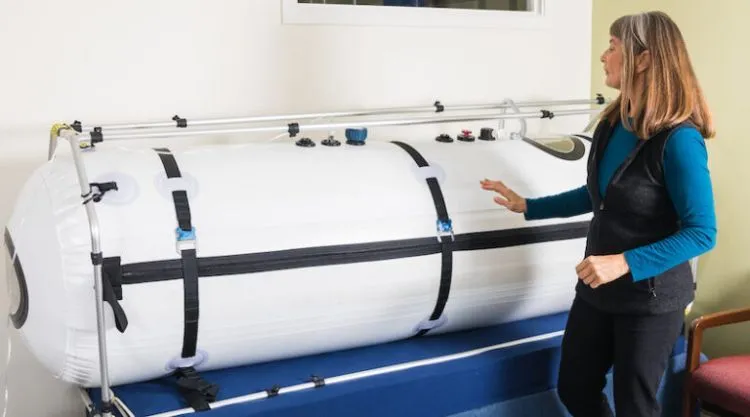
11. What is the difference between hard and soft hyperbaric chambers?
- Hard chambers: Higher pressure, typically used in hospitals and clinical settings.
- Soft chambers: Lower pressure, commonly used in wellness centers, sports recovery, and home environments.
Both aim to increase oxygen delivery but differ in intensity and application scope.
12. Can HBOT be combined with other therapies?
Yes. HBOT is often combined with:
- Physical therapy
- Laser therapy
- Shockwave therapy
- Rehabilitation and sports recovery programs
Combination approaches can enhance overall outcomes when properly planned.
13. How quickly can results be noticed?
Some users report benefits such as improved energy or reduced pain after a few sessions. For tissue healing and chronic conditions, noticeable improvements often develop over multiple sessions.
14. Is HBOT only for medical use?
No. While HBOT has strong medical applications, it is also widely used in wellness, sports performance, recovery, and anti-aging programs, depending on chamber type and regulatory approval.
15. Does HBOT require special preparation?
Preparation is simple:
- Wear cotton clothing
- Avoid lotions, oils, or flammable products
- Remove electronic devices and metal accessories
Specific guidelines may vary by facility.