Intense Pulsed Light (IPL) technology has become a popular non-invasive treatment for various skin and hair concerns. IPL is a broad-spectrum light therapy that targets specific areas of the skin or hair follicles, promoting rejuvenation and reducing unwanted hair growth.
IPL
What is IPL?
Intense Pulsed Light (IPL) technology has become a popular non-invasive treatment for various skin and hair concerns. IPL is a broad-spectrum light therapy that targets specific areas of the skin or hair follicles, promoting rejuvenation and reducing unwanted hair growth. The technology has been widely adopted in the beauty and medical industries due to its effectiveness and relatively low risk of complications. IPL treatments are commonly used to address issues such as hyperpigmentation, rosacea, and unwanted hair. As the demand for non-surgical cosmetic treatments continues to rise, understanding the basics and benefits of IPL is essential for individuals considering this technology.
How IPL Works
“It uses an electronically controlled intense flash-lamp. For this reason, it has distinct characteristics from a laser source:
(a) Polychromatic: it emits a broad spectrum of wavelengths, generally in the range from 400 to 1,200 nm. It uses band-pass filters
placed in front of the lamp for wavelength selection. These filters remove a band of wavelengths, in general those below the filter specification, letting through all the wavelengths above it. Some machines use a more complex filter, which narrows the emission at a range of wavelengths, as illustrated in Fig. 30. Even with a narrow emission spectrum limited by the filters, the emitted energy disperse within several wavelengths, that is those that will be absorbed by the tissue to be treated and others that will have no effect. Thus, the selectivity and effectiveness of the treatment is reduced as compared with a laser that has 100 % of the energy concentrated in a single wavelength (monochromatic).
(b) Incoherent: different from a laser source, the IPL energy is emitted in all directions; it spreads. Mirrored surfaces placed behind the lamp, similar to reflectors used in car headlights, concentrate and direct the light. It will have a more superficial and[…]”
IPL devices emit a broad-spectrum light that is absorbed by the target area, whether it's hair follicles, pigmented lesions, or vascular lesions. The light is converted into heat, which damages the target, leading to its removal or reduction.
- The wavelength of the light can be adjusted based on the specific concern being treated, allowing for a tailored approach.
- IPL treatments can be customized to suit individual skin types and concerns, making it a versatile treatment option.
- The intensity and duration of the light pulse can be controlled to minimize the risk of damage to surrounding tissue.
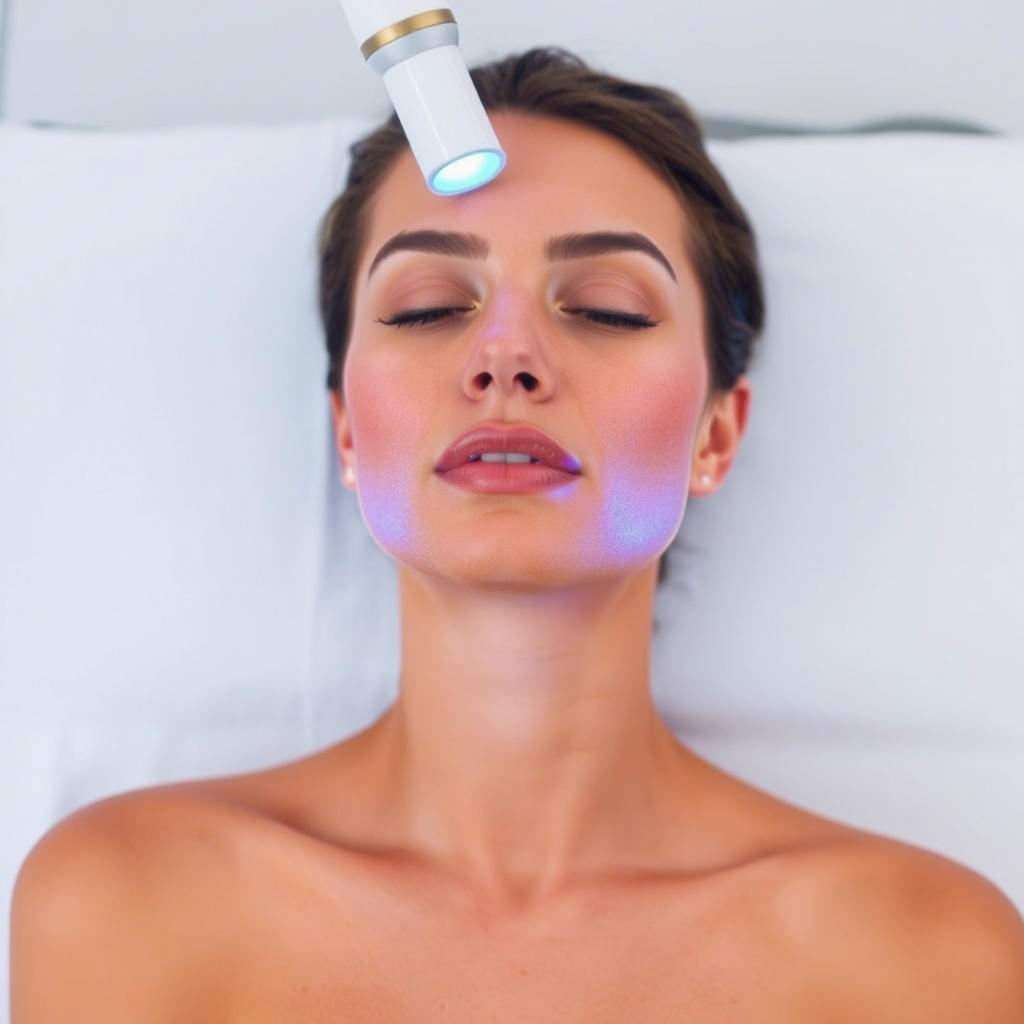
IPL treatments are typically performed on clean, makeup-free skin. The practitioner may apply a cooling gel to the area to be treated, which helps the IPL device glide smoothly over the skin and reduces the risk of discomfort.
Applications of IPL
IPL is used for a variety of applications, including hair removal, skin rejuvenation, and the treatment of pigmented and vascular lesions.
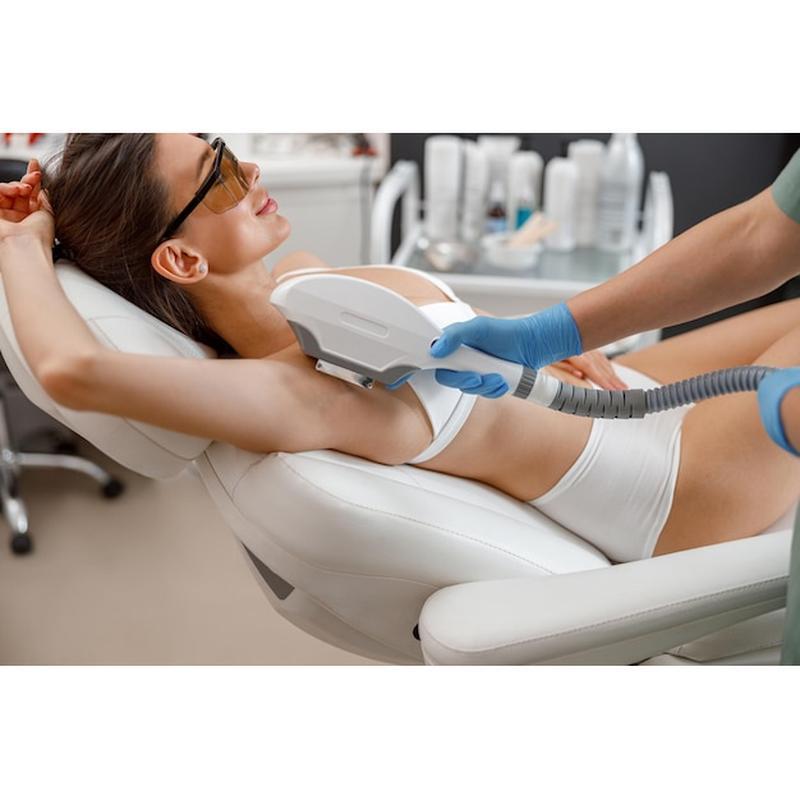
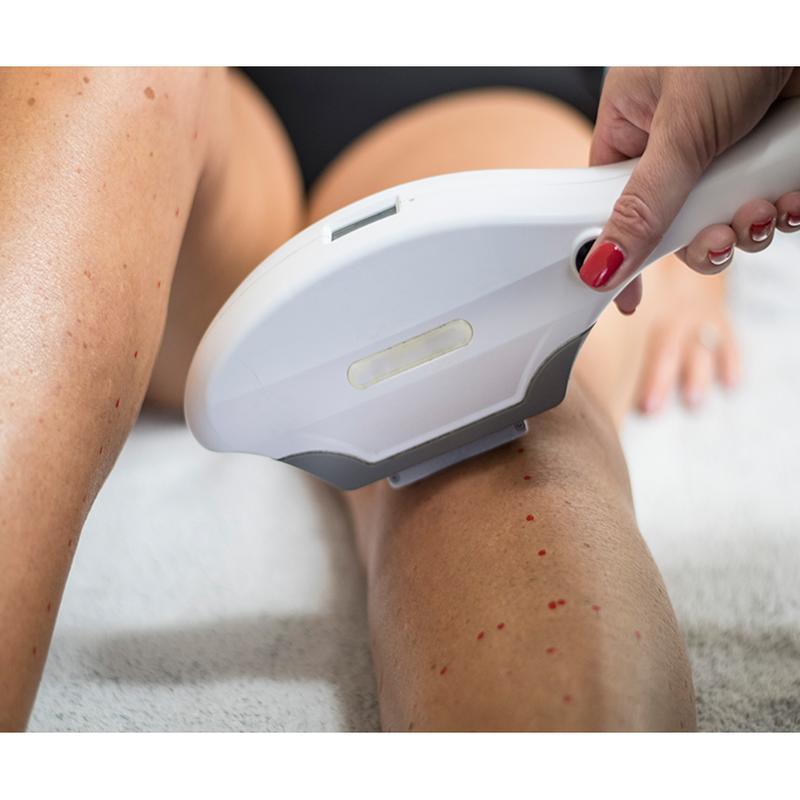
- Hair Removal: IPL is effective for reducing unwanted hair on various parts of the body, including the face, legs, and underarms. Multiple sessions are usually required for optimal results.
- Skin Rejuvenation: IPL stimulates collagen production, improving skin texture and reducing the appearance of fine lines and wrinkles.
- Treatment of Pigmented and Vascular Lesions: IPL can target and reduce the appearance of freckles, age spots, and rosacea.
Treatment Platforms
Following the trend of the market to produce increasingly compact systems, which provide various applications, the laser industry has developed the concept of multi-application platform
. These systems consist of a base (platform) that carries the energy source and cooling system. Then several handpieces can be connected to the base providing different applications. Each handpiece may contain an IPL or a laser system. The most frequent applications are hair: removal, skin rejuvenation, treatment of pigmented and vascular lesions, and tattoo removal (Raulin and Karsai 2011; Kaminsky Jedwab 2010; Sardana and Garg 2014).These treatment platforms became very popular because of the excellent cost/benefit and versatile combination of intense pulsed light and laser in the same equipment. There are also platforms that have only lasers, or only IPL, and others that added a RF handpiece for skin tightening.On the other hand, one of the limitations of this design is that it does not allow simultaneous treatments. For example, we need to finish the hair removal treatment to perform the skin rejuvenation. For busy clinics performing several applications at the same time, the choice of equipment with separate applications would be a better alternative to increase revenues.Another important point[…]”
Benefits of IPL Treatments
The benefits of IPL treatments are numerous, making it a popular choice among those seeking non-invasive cosmetic solutions.
- Non-Invasive: IPL treatments do not require surgery or injections, reducing the risk of complications and downtime.
- Customizable: Treatments can be tailored to address specific skin concerns and skin types.
- Long-Lasting Results: With proper maintenance, the results of IPL treatments can last for several months to a few years.
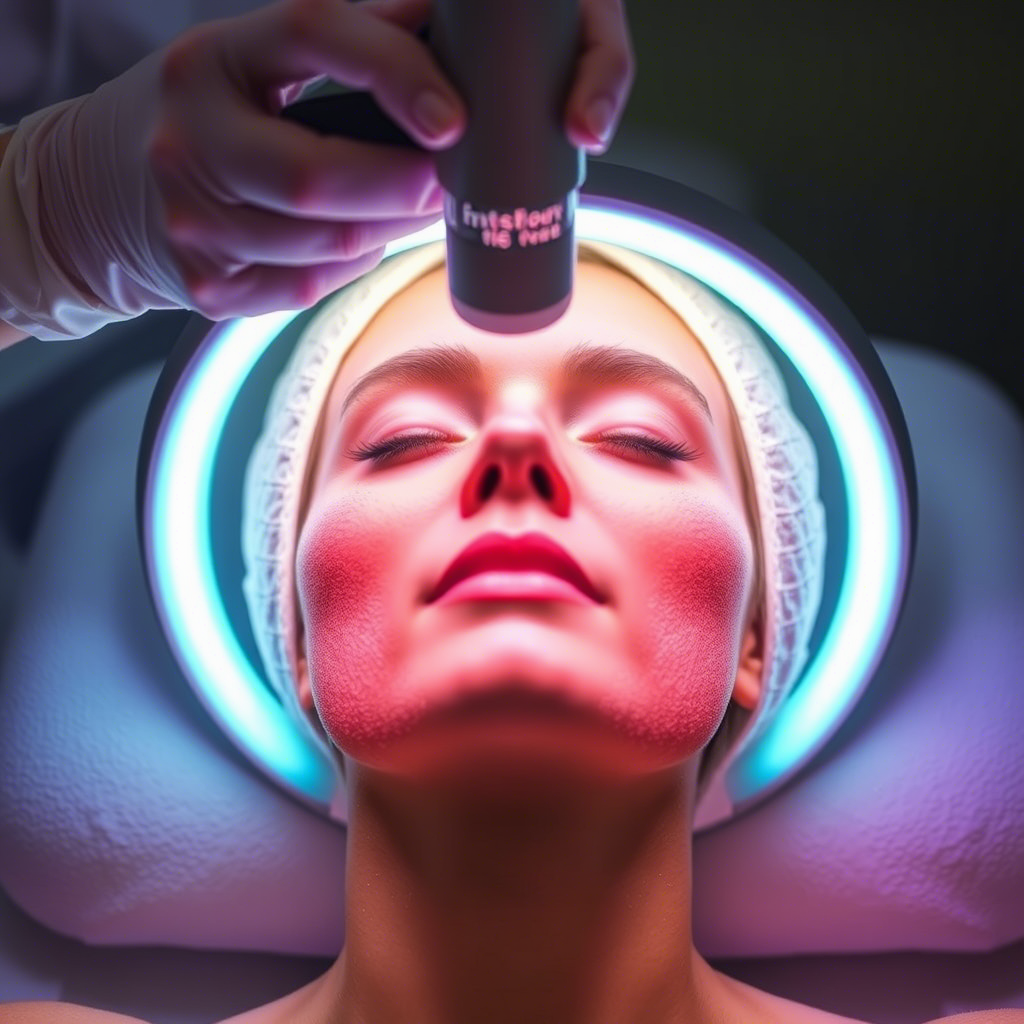
For facial rejuvenation, IPL is particularly effective. It not only improves skin texture but also reduces signs of aging, such as fine lines and wrinkles. To learn more about facial rejuvenation techniques, you can visit American Academy of Dermatology.
Preparing for IPL Treatments
To ensure the best results from IPL treatments, proper preparation is key.
- Avoid Sun Exposure: Minimize sun exposure and avoid tanning beds for at least two weeks before treatment to reduce the risk of complications.
- Remove Hair: For hair removal treatments, avoid waxing, tweezing, and tanning for a few weeks before the session.
- Consult a Professional: It's essential to consult with a qualified practitioner to discuss your skin concerns and determine if IPL is the right treatment for you.
Aftercare and Maintenance
Proper aftercare is crucial for maximizing the benefits of IPL treatments and minimizing potential side effects.
- Protect Your Skin: Use sunscreen with a high SPF to protect your skin from further damage.
- Avoid Irritants: Avoid using harsh skin products that can irritate the skin for a few days after treatment.
- Follow-Up Sessions: Depending on the concern being treated, multiple sessions may be necessary to achieve optimal results.
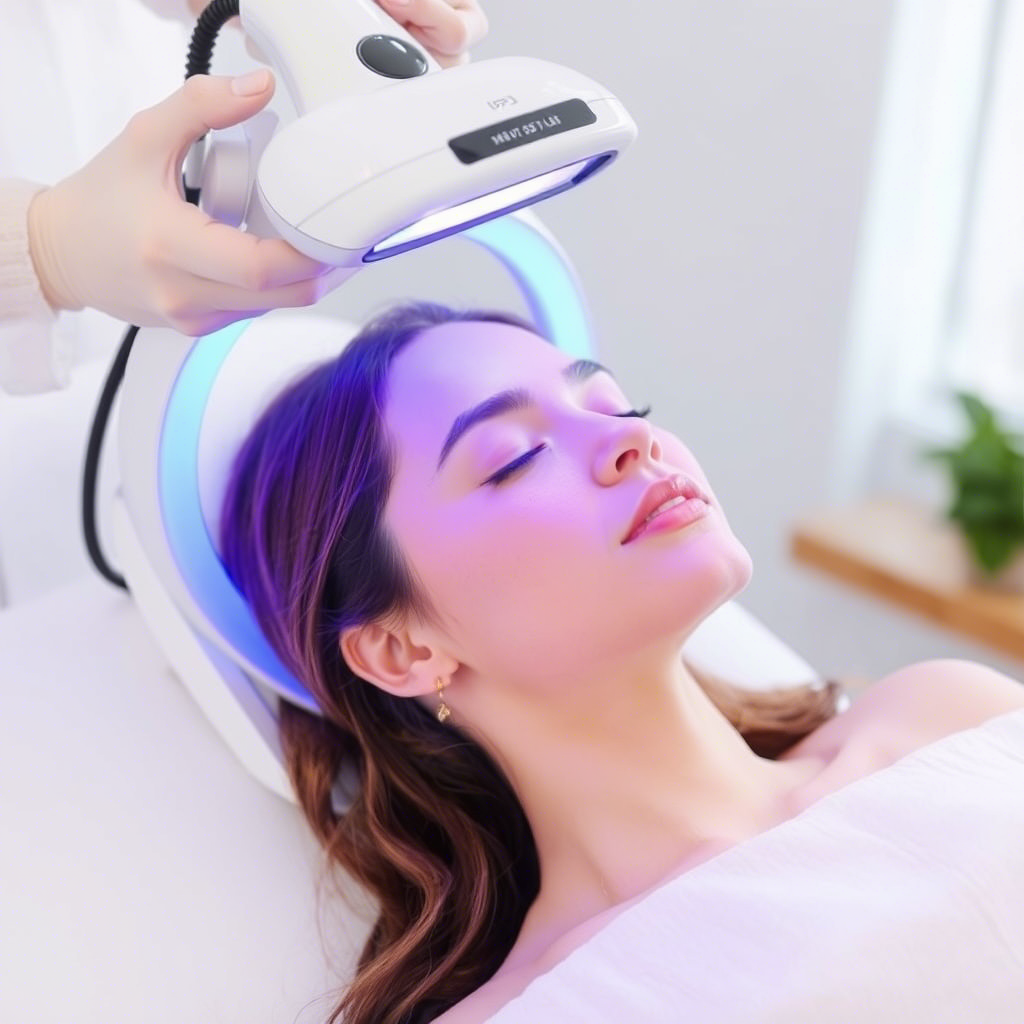
For more information on maintaining healthy skin after IPL treatments, you can check out Skin Cancer Foundation.
Conclusion
IPL is a versatile and effective technology for addressing a range of skin and hair concerns. By understanding how IPL works, its applications, benefits, and the necessary preparation and aftercare, individuals can make informed decisions about incorporating IPL into their beauty or skincare routine. Whether you're looking to reduce unwanted hair, rejuvenate your skin, or treat specific skin concerns, IPL offers a non-invasive solution with long-lasting results.