Yttrium Aluminum Garnet (YAG) lasers are a type of solid-state laser that have gained significant attention in various medical and industrial applications due to their versatility and effectiveness.
Q-switched ND YAG Laser
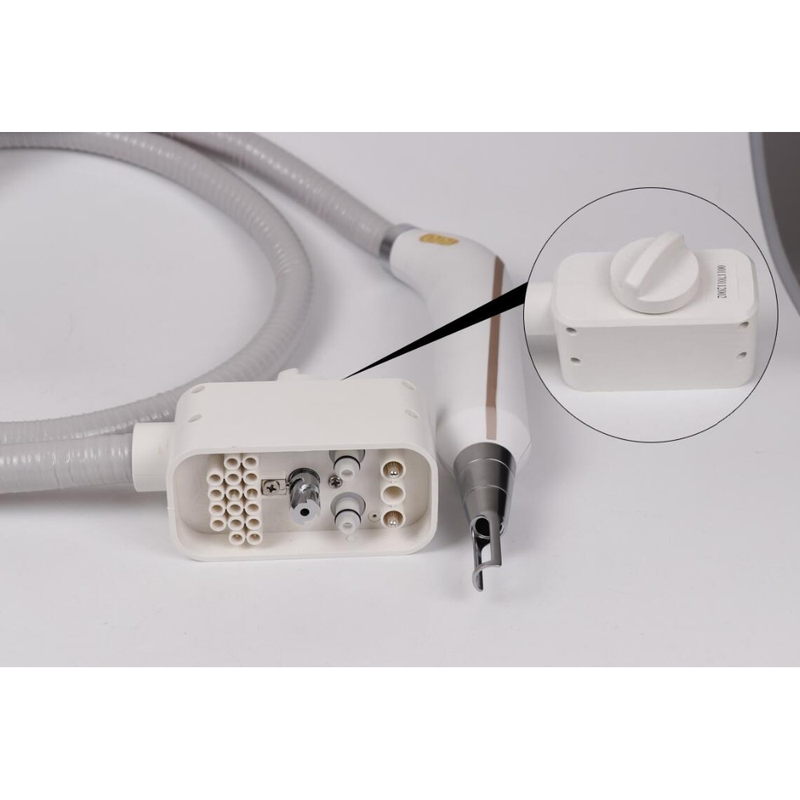
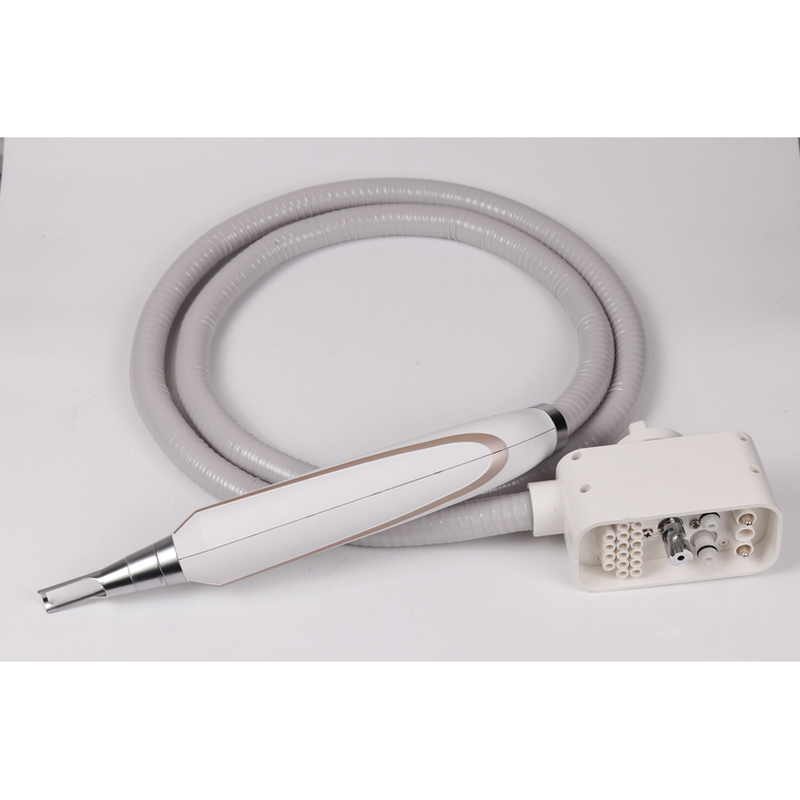
What is YAG Laser?
Yttrium Aluminum Garnet (YAG) lasers are a type of solid-state laser that have gained significant attention in various medical and industrial applications due to their versatility and effectiveness. The YAG laser operates by exciting YAG crystals with a lamp or diode, producing a high-intensity beam of light. This technology has been widely adopted in fields such as medicine, manufacturing, and research. The significance of YAG lasers lies in their ability to deliver precise and controlled energy, making them an essential tool for various procedures.
History and Development of YAG Lasers
The development of YAG lasers dates back to the 1960s, with the first YAG laser being invented by J.E. Geusic and his team at Bell Labs. Since then, YAG lasers have undergone significant advancements, leading to their widespread adoption in various industries.
- The initial applications of YAG lasers were primarily in the field of material processing, such as cutting and welding metals.
- Over time, YAG lasers have been adapted for medical use, including treatments for various skin conditions and eye disorders.
- Today, YAG lasers are used in a range of medical specialties, including dermatology, ophthalmology, and urology.
Types of YAG Lasers
There are several types of YAG lasers, each with its unique characteristics and applications.
- Nd:YAG Lasers: Neodymium-doped YAG lasers are one of the most common types, emitting a wavelength of 1064 nm. They are widely used in medical and industrial applications, such as laser hair removal and material processing. 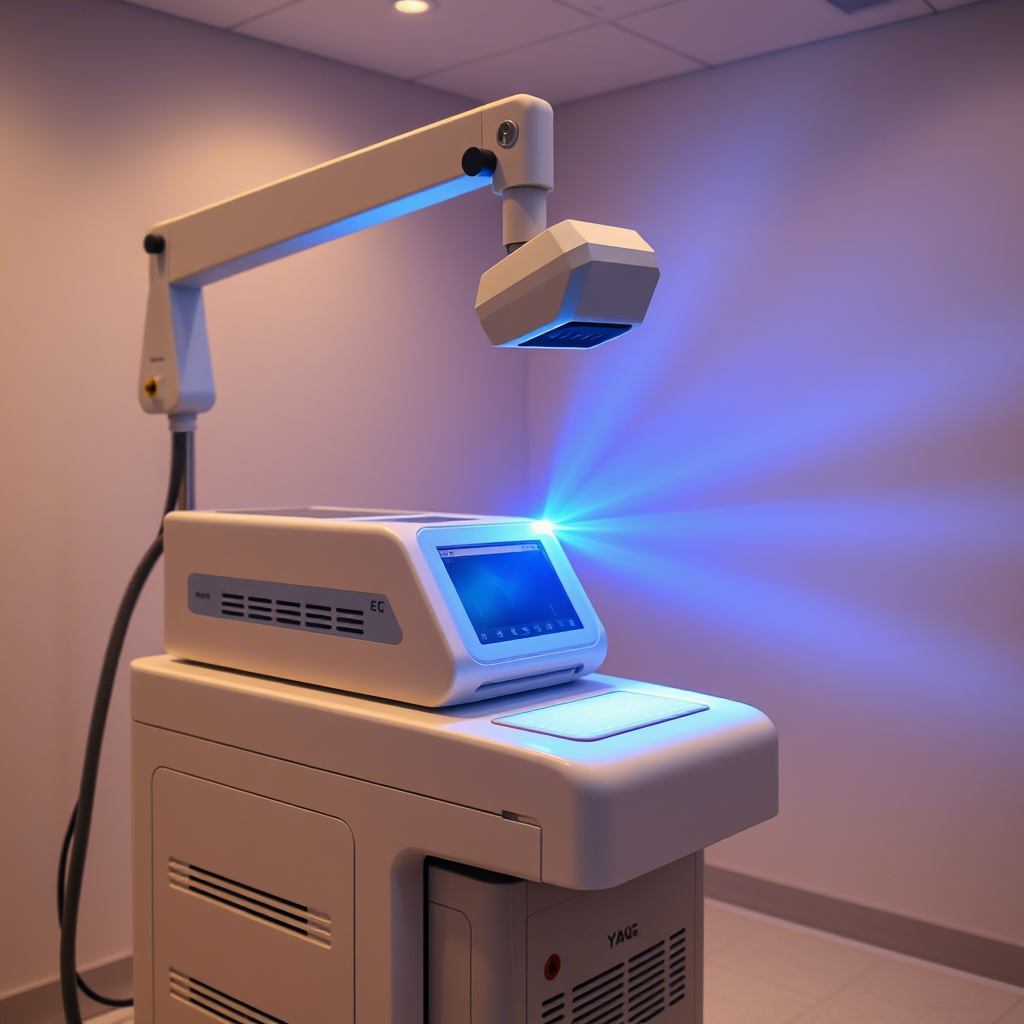
- Er:YAG Lasers: Erbium-doped YAG lasers emit a wavelength of 2940 nm and are commonly used in dermatology for skin resurfacing and removing fine wrinkles.
- Q-Switched YAG Lasers: These lasers are used for tattoo removal and pigmented lesion treatments due to their ability to deliver high-energy pulses.
Medical Applications of YAG Lasers
YAG lasers have a wide range of medical applications, including dermatological and ophthalmological treatments.
- Dermatological Treatments: YAG lasers are used for various skin treatments, such as removing unwanted hair, treating vascular lesions, and rejuvenating the skin. For example, Nd:YAG lasers are effective in treating deeper skin concerns like wrinkles and skin laxity. 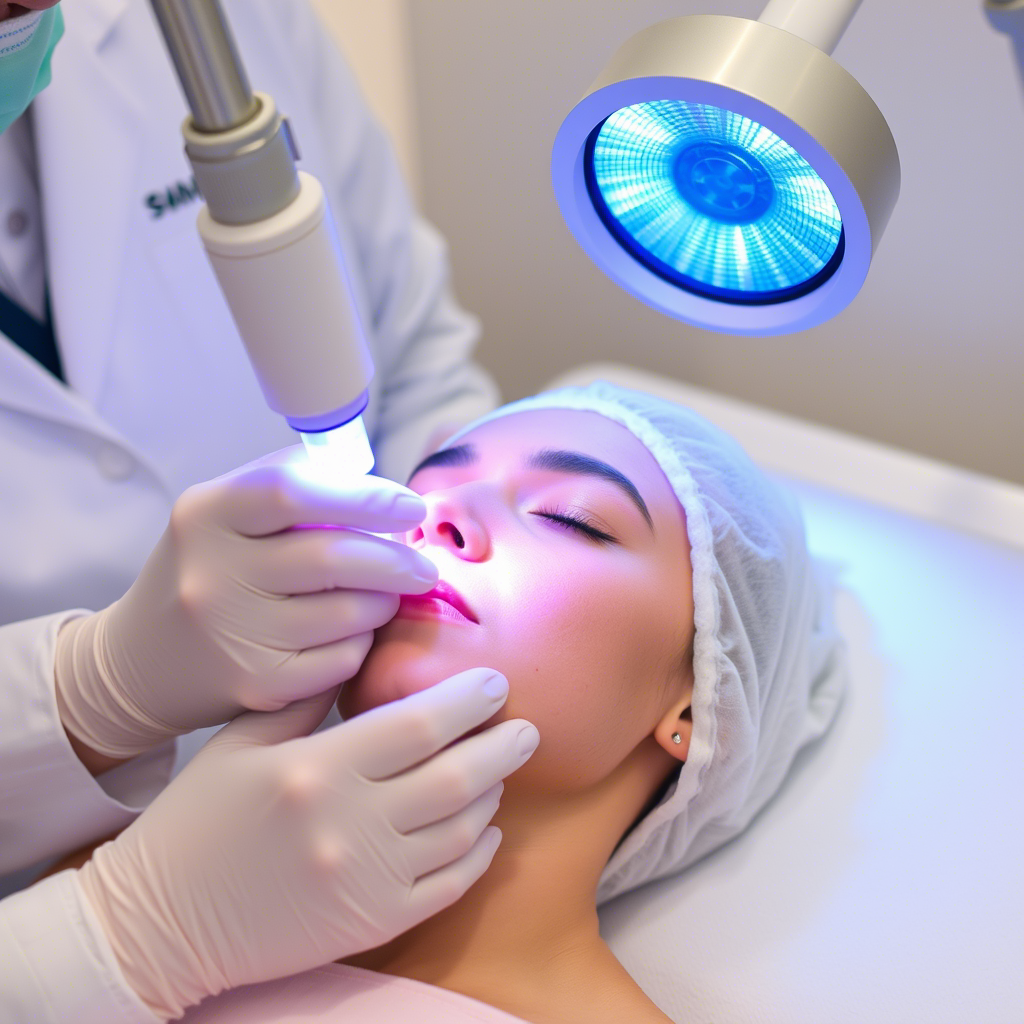
- Ophthalmological Treatments: YAG lasers are used in eye surgery, such as posterior capsulotomy to treat posterior capsule opacification, a condition that can occur after cataract surgery.
- Urological Treatments: YAG lasers are also used to treat conditions like kidney stones and benign prostatic hyperplasia.
Industrial Applications of YAG Lasers
In addition to their medical applications, YAG lasers are also widely used in various industrial processes.
- Material Processing: YAG lasers are used for cutting, welding, and marking various materials, including metals and ceramics. Their high precision and control make them ideal for delicate manufacturing tasks.
- Engraving and Marking: YAG lasers are used for engraving and marking products, providing a permanent and precise way to label or decorate items. 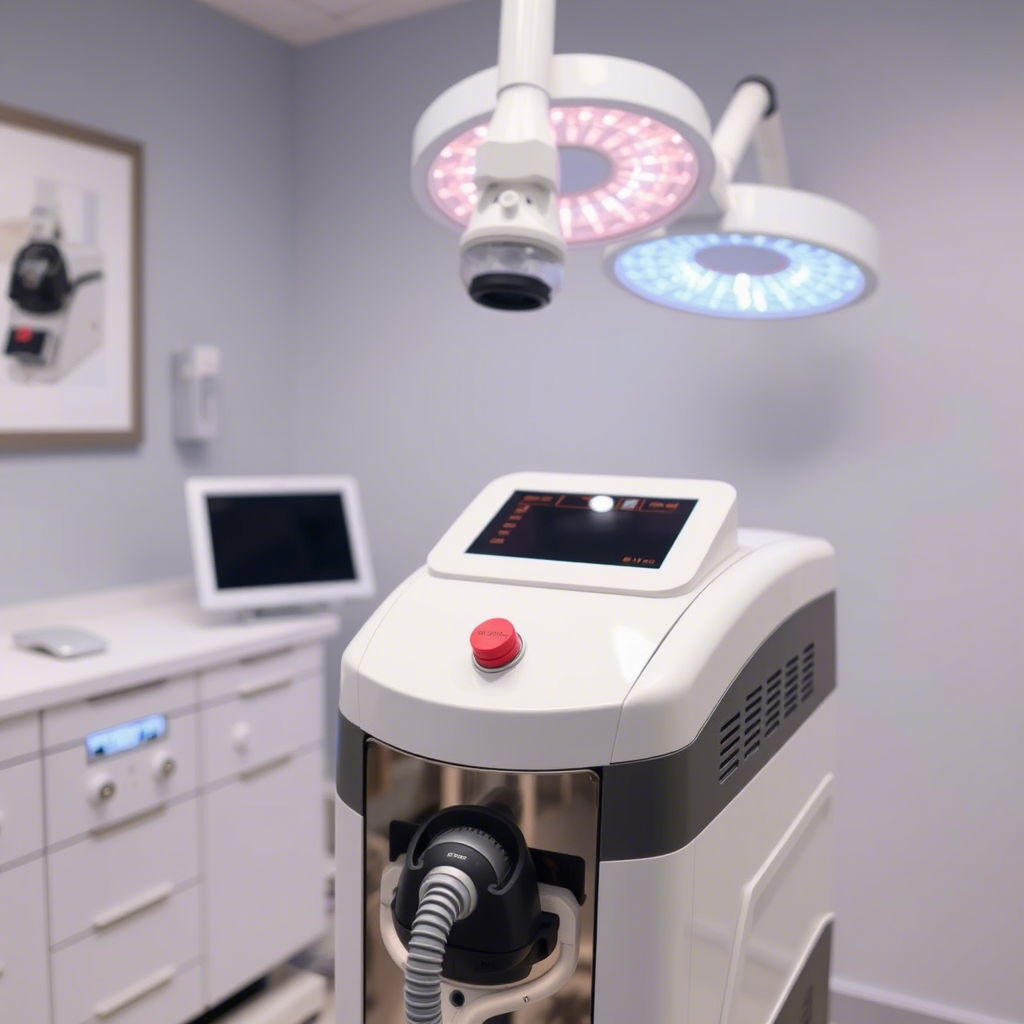
- Research and Development: YAG lasers are also used in research and development, particularly in the fields of physics and materials science.
Safety Precautions and Maintenance
To ensure the safe and effective use of YAG lasers, proper precautions and maintenance are essential.
- Operator Training: Users should undergo comprehensive training to understand the operation and safety guidelines of YAG lasers.
- Eye Protection: Protective eyewear is crucial when working with YAG lasers to prevent eye damage.
- Regular Maintenance: Regular maintenance is necessary to ensure the optimal performance and longevity of YAG lasers. For more information on laser safety, you can visit the American National Standards Institute (ANSI) website.
What is Q-Switched: Nanosecond Laser?
This mode is achieved by placing an optical accessory inside the resonator, at the side of the laser crystal, whose goal is to pulse optically the light (Siegman 1986; Goldman 1967; Raulin and Karsai 2011). It is generally used in crystal lasers such as ruby, alexandrite, and Nd:YAG, described below. The goal is to accumulate the laser energy at very high levels and release it at extremely rapid pulses. The result is a very high-peak-power laser pulse (often higher than the common pulse), which can penetrate deep into the tissue, with minimal side effects. Then a shockwave-induced mechanical action caused by the impact of the laser pulse onto the target tissue causes its fragmentation. In the long and Quasi-CW pulsed modes, the effect is purely thermal.
The Q-Switch can be passive , when using a crystal called “saturable absorber” that produces rapid pulses, or active , when using an electronic modulator crystal called “Pockels cell.”
Passive systems using the saturable absorber are generally simpler and more compact resulting in smaller portable devices or systems installed into handpieces incorporated to a platform. They are more limited as it is not possible to control ef iciently the stability of the fast pulse; the crystal is sensitive to higher energies, which limits the maximum working energy; and the application spot size is limited to a few millimeters (1–3 mm). They also fail to achieve high repetition rates of pulses (high frequencies), working in a maximum of 2–3 Hz. The active Q-Switch uses a Pockels cell which is a crystal subjected to a high electric frequency and is electronically controlled to produce a very fast and stable light switching effect. The result is faster pulses with very high peak powers that are not possible with passive systems. Thus, they can handle high energy, larger spot sizes (10 mm), and faster repetition frequencies of 2–20 Hz. Equipment with active Q-Switch allow the device to be turned off, and thus the laser can also work in the Quasi-CW mode, with micropulse, giving greater lexibility to the system (Fig. 9).
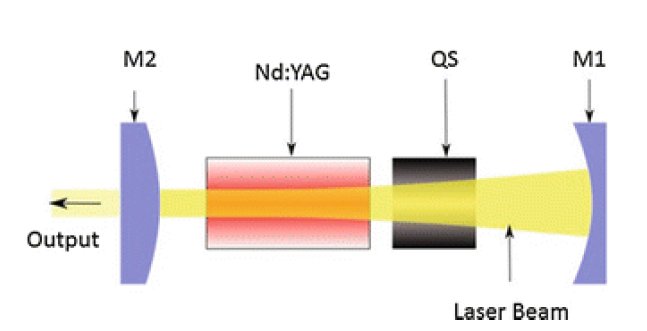
Fig. 9 Diagram of a Nd:YAG laser with Q-Switch (QS). M1 is the 100 % mirror; M2 is the output coupler
The classic application is in tattoo removal and the treatment of pigmented skin lesions such as dark circles, postin lammatory hyperpigmentation, and melasma (Goldman 1967; Reid and Muller 1978; Raulin et al. 1998; Chang et al. 1996; Shimbashi et al. 1997; Reid et al. 1983, 1990; Stafford et al. 1995; Ogata 1997; Chan et al. 1999; Jeong et al. 2008; Mun et al. 2010) (Fig. 10).
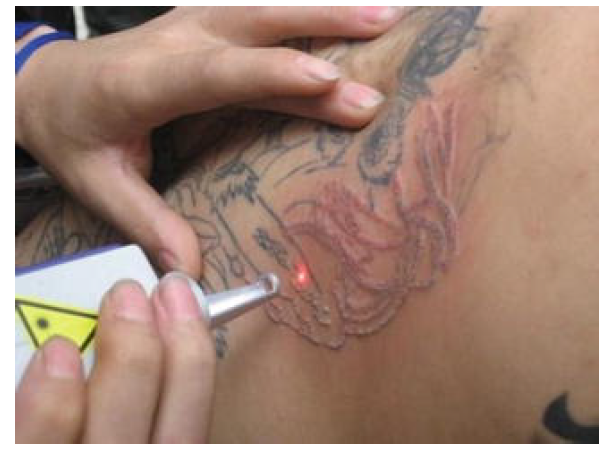
Fig. 10 Laser tattoo removal
Conclusion
YAG lasers are a versatile and powerful technology with a wide range of applications in medicine, industry, and research. Understanding the different types of YAG lasers, their applications, and safety precautions is crucial for harnessing their potential. By following proper guidelines and maintenance procedures, users can ensure the safe and effective use of YAG lasers. As technology continues to evolve, the applications of YAG lasers are likely to expand, offering new opportunities for innovation and advancement.