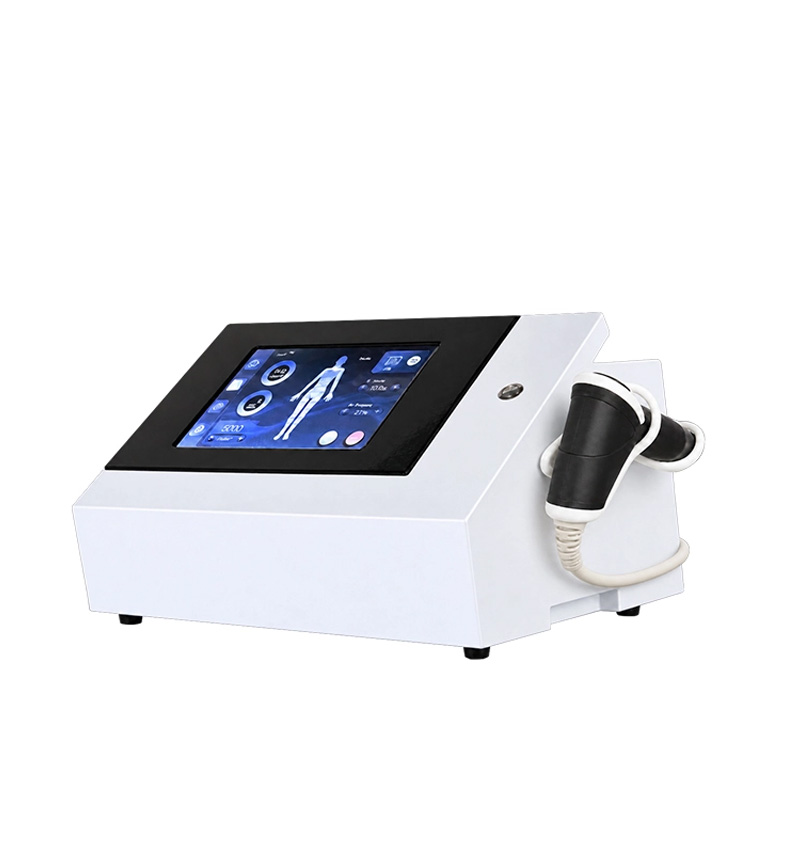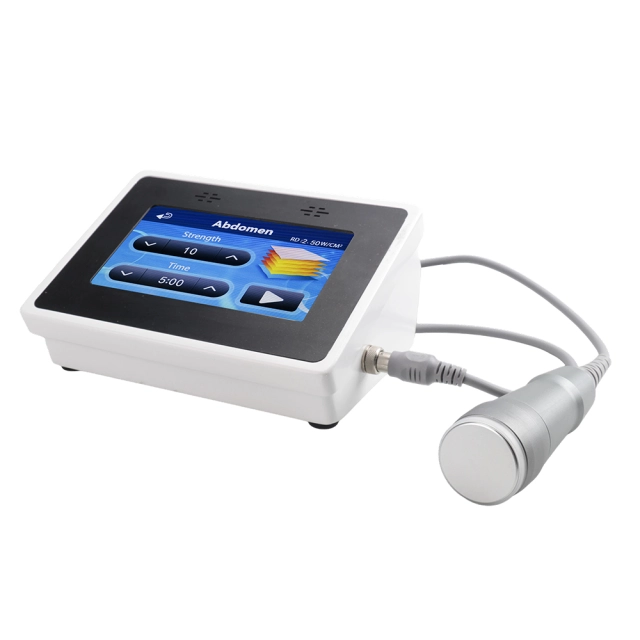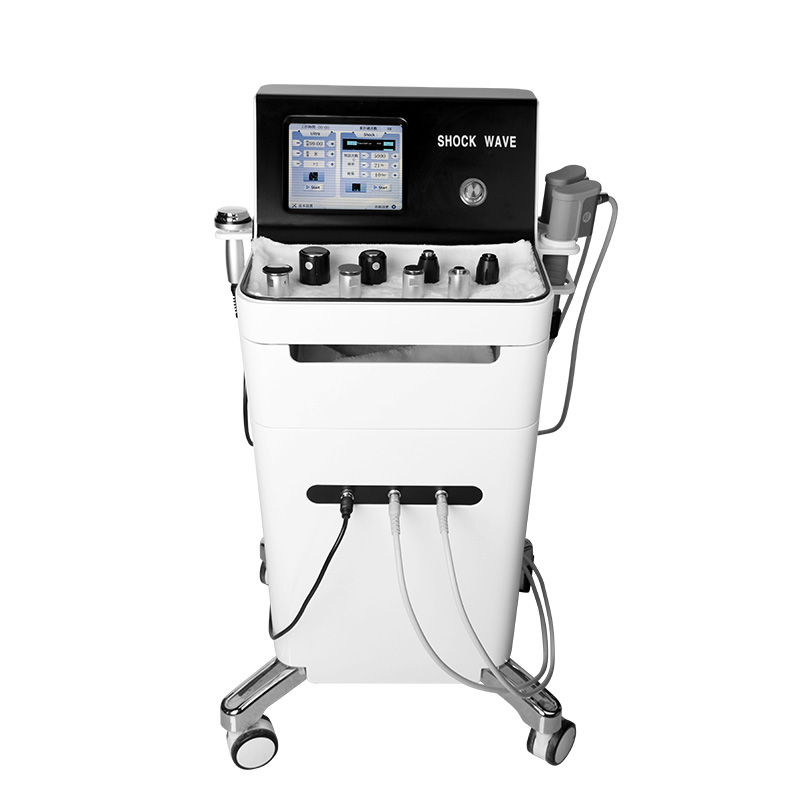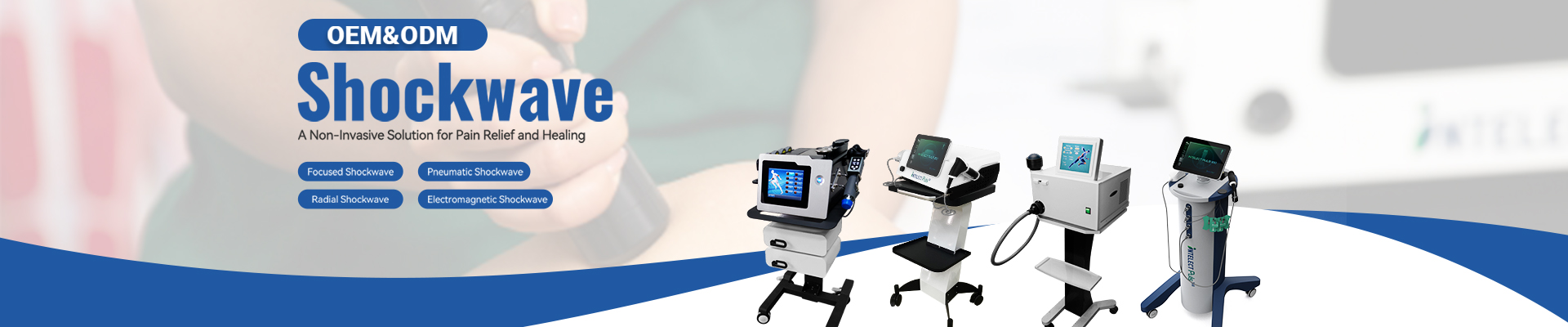
Rehabilitation Physical Therapy Eswt Shock Wave Physiotherapy Equipment
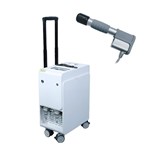
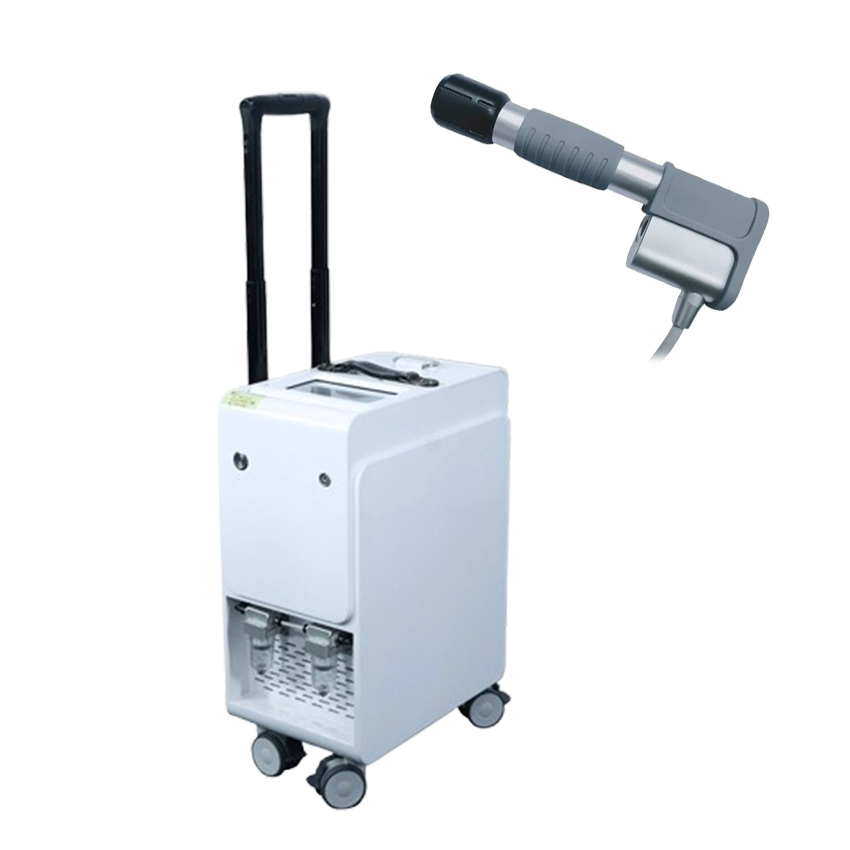
Pneumatic shock wave therapy works by using compressed air to accelerate a projectile inside the handpiece, which strikes a transmitter at the tip to generate mechanical pressure waves. These waves are transmitted into the body's tissues to stimulate biological responses.
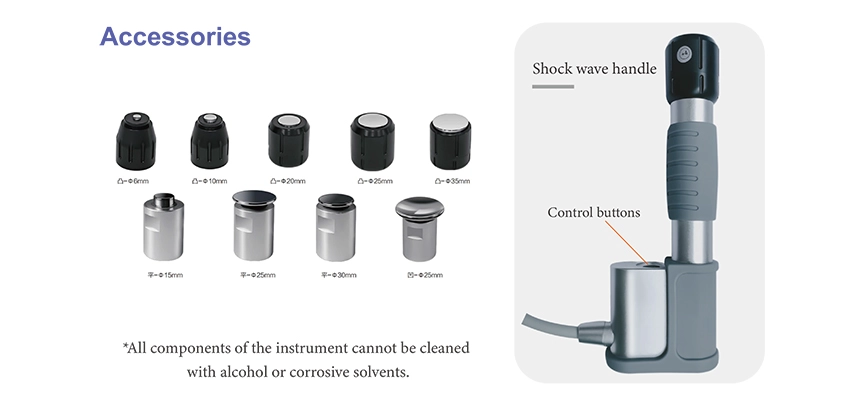
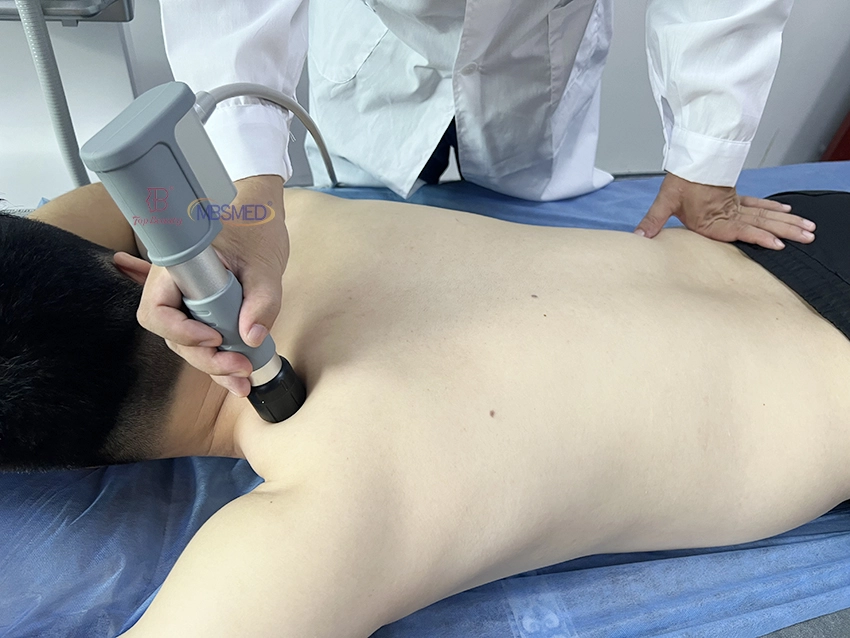
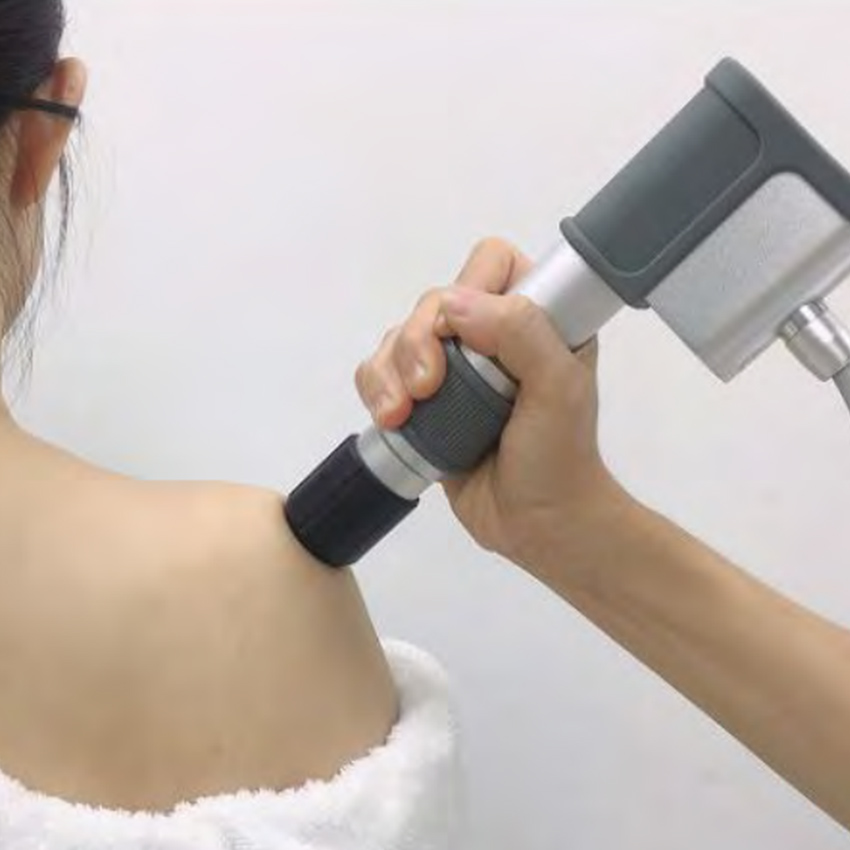
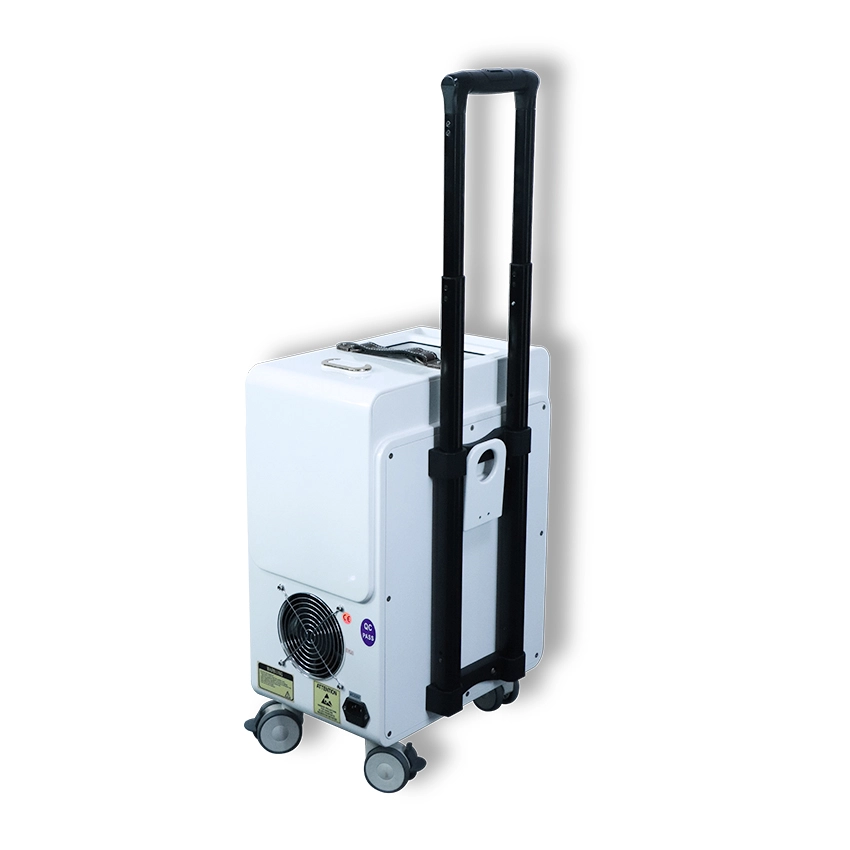
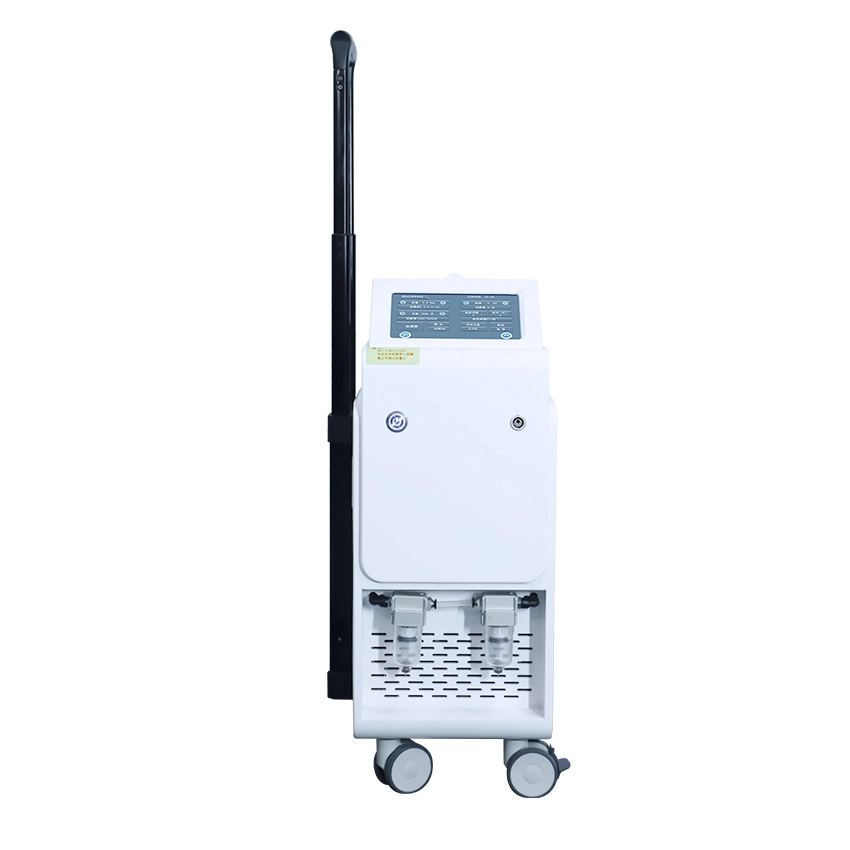
Working Principle of Pneumatic Shock Wave Therapy
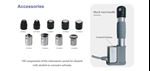
Pneumatic shock wave therapy works by using compressed air to accelerate a projectile inside the handpiece,
which strikes a transmitter at the tip to generate mechanical pressure waves. These waves are transmitted into
the body's tissues to stimulate biological responses.
How it works:
1. Compressed Air Generation: Compressed air provides the energy needed to drive the projectile inside
the handpiece.
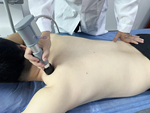
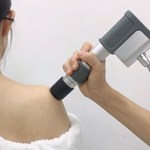
2. Mechanical Impact: The projectile rapidly strikes the transmitter, generating radial pressure waves.
3. Wave Transmission: The pressure waves travel from the applicator into the targeted tissues.
4. Tissue Stimulation: The mechanical stimulation may help reduce pain, promote local blood circulation,
and support tissue repair.
5. Functional Recovery: When used appropriately, treatment can help improve mobility and support
rehabilitation for certain musculoskeletal conditions.
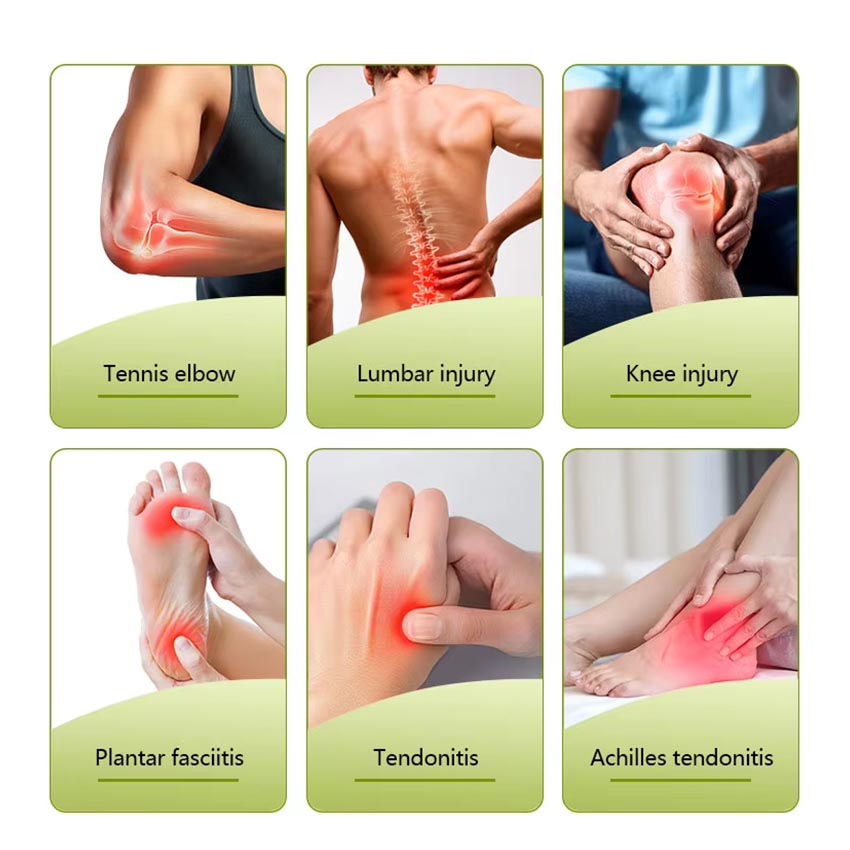
Main applications:
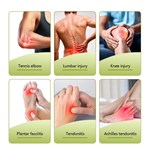
- Plantar fasciitis
- Achilles tendinopathy
- Tennis elbow and golfer's elbow
- Patellar tendinopathy
- Muscle tension and trigger points
- Chronic musculoskeletal pain
- Calcific tendinopathy
Main Usage Places of Pneumatic Shock Wave Therapy
1. Physiotherapy Clinics
2. Rehabilitation Centers
3. Sports Medicine Clinics
4. Orthopedic Clinics
5. Pain Management Clinics
6. Sports Injury Treatment Centers
7. Chiropractic Clinics
8. Hospitals and Rehabilitation Departments
9. Podiatry Clinics
10. Professional Sports Teams and Athletic Training Centers
FAQ
Q1: What is pneumatic shock wave therapy?
It is a non-invasive treatment that uses compressed air to generate radial pressure waves, helping manage
certain musculoskeletal conditions.
Q2: How does pneumatic shock wave therapy work?
Compressed air drives a projectile inside the handpiece, generating mechanical pressure waves that are
transmitted into the targeted tissues.
Q3: What conditions can it treat?
Common applications include plantar fasciitis, Achilles tendinopathy, tennis elbow, patellar tendinopathy,
muscle tension, and certain chronic musculoskeletal pain conditions.
Q4: Is the treatment painful?
Patients may feel mild to moderate discomfort during treatment. The intensity can usually be adjusted
according to patient tolerance.
Q5: How long does each treatment session take?
A session typically takes around 5–15 minutes, depending on the treatment area and clinical protocol.
Q6: How many sessions are usually needed?
A course often involves 3–6 sessions, usually spaced 5–10 days apart. The actual protocol depends on
the condition and the treating professional's assessment.
Q7: Is pneumatic shock wave therapy non-invasive?
Yes. It delivers mechanical pressure waves through the skin without surgery or injections.
Q8: What are the main advantages?
It is non-invasive, requires no surgical incision, offers relatively short treatment sessions, and can be used
as part of a rehabilitation program.
Q9: Where is pneumatic shock wave therapy commonly used?
It is commonly used in physiotherapy clinics, rehabilitation centers, sports medicine clinics, orthopedic clinics,
and pain management centers.
Q10: Are there any contraindications?
Treatment may be unsuitable for patients with certain bleeding disorders, active infections in the treatment area,
pregnancy when treating relevant regions, or suspected tumors in the treatment area. Avoid treating over vulnerable
structures, and follow the device manufacturer's instructions and clinical guidelines.