3-in-1 Shockwave EMTT Laser Sports Injury Rehabilitation Equipment youtube video
Uses high-frequency electromagnetic fields to penetrate
deep tissue, reducing inflammation and pain
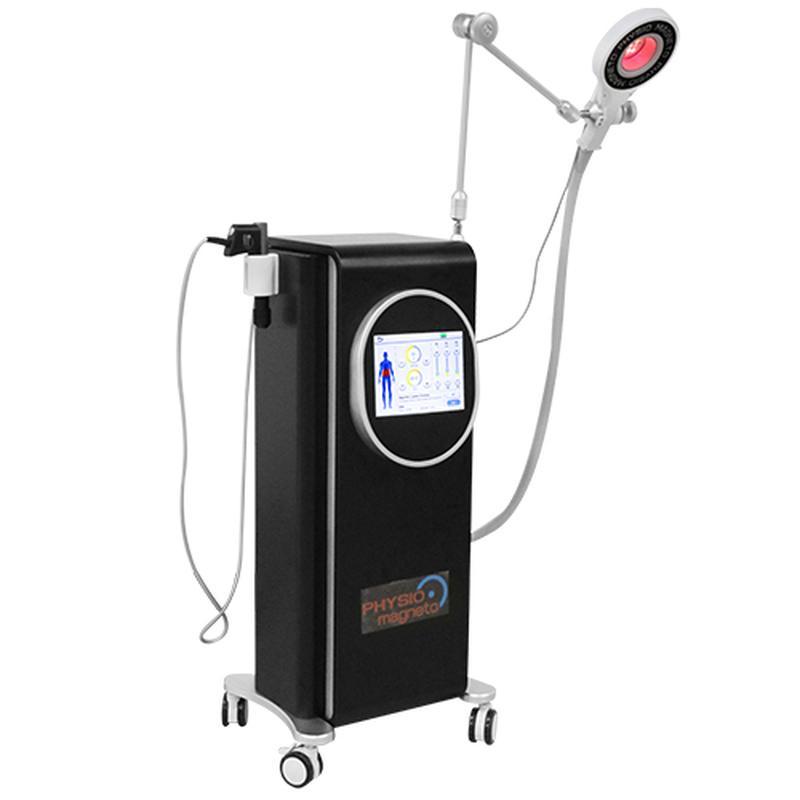
Related Product: 3 In 1 Magnetic Shockwave Laser Physiotherapy Equipment
Understanding Magneto, Shockwave, and NIR Laser Therapies for Pain & Healing
In modern rehabilitation and pain management, clinicians are increasingly turning to advanced physical modalities like Magneto (PEMF), Shockwave Therapy, and Near-Infrared (NIR) Laser treatment to target pain and tissue dysfunction without drugs or surgery. Each of these modalities works on different biological mechanisms and suits specific types of pain presentations — from acute injury to chronic tendinopathy — forming a powerful toolkit when applied with clinical precision.
Magneto Therapy: Anti-Inflammatory & Ideal for Acute or Diffuse Pain
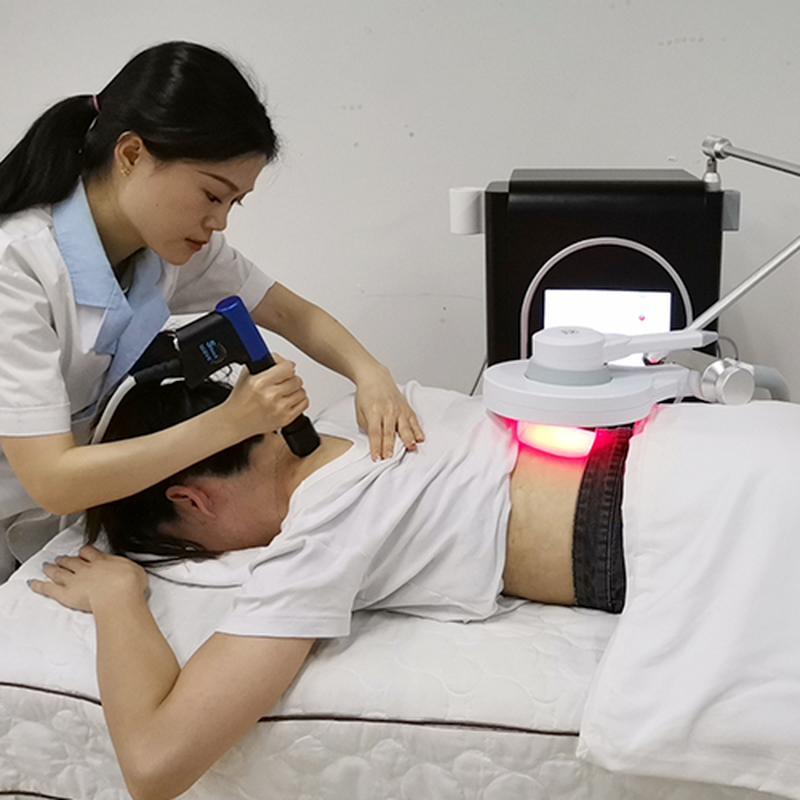
Magneto therapy — often a form of pulsed electromagnetic field therapy (PEMF) — uses controlled magnetic pulses that penetrate deep into tissues to influence cell function. These magnetic fields can help modulate inflammation and enhance circulation, promoting tissue repair at a cellular level. This process is generally anti-inflammatory, meaning it helps calm irritative pain responses and reduce swelling.
Clinically, Magneto therapy is favored in situations such as:
-
Acute pain presentations, where irritation and inflammation are prominent.
-
Diffuse pain, involving widespread discomfort rather than a single localized spot.
-
Degenerative conditions like early osteoarthritis and chronic strain patterns linked to wear-and-tear.
It’s typically well-tolerated and painless, making it suitable for patients who cannot tolerate more aggressive interventions. Additionally, it may be chosen in rheumatic cases or post-surgical recovery where inflammation control without additional tissue insult is the priority.
Shockwave Therapy: Pro-Inflammatory Trigger for Chronic & Focal Conditions
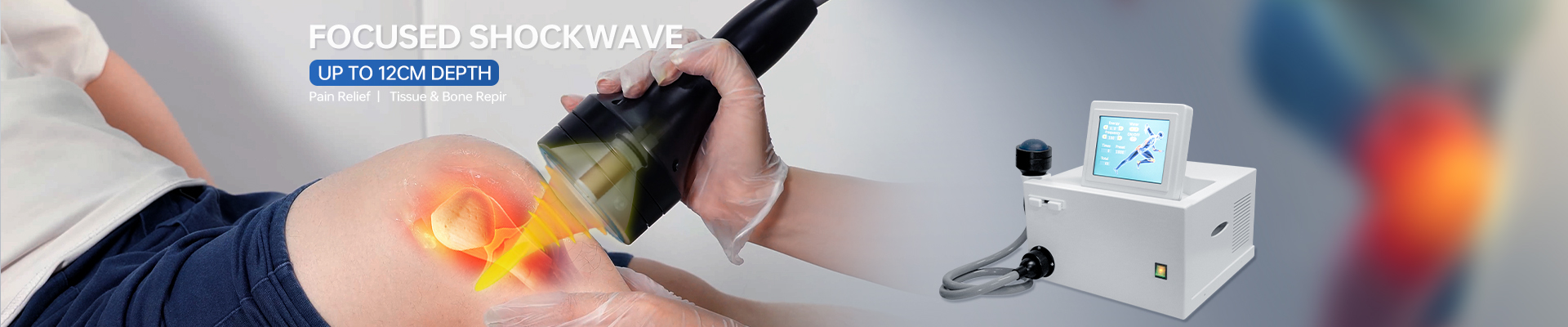
In contrast, Shockwave Therapy works by delivering high-energy acoustic waves to injured tissues. Rather than directly dampening inflammation, shockwave introduces controlled microtrauma that triggers a pro-inflammatory cascade, recruiting the body’s healing mechanisms to accelerate tissue remodeling.
This targeted, mechanical stimulation does several things:
-
Increases local blood flow and metabolism, helping flush out chronic biochemical irritants.
-
Spurs neovascularization — growth of new blood vessels — which supports long-term tissue health.
-
Breaks down scar tissue and calcific deposits that can lock soft tissues in a chronic pain state.
Shockwave is best suited for:
-
Chronic and stable pain: conditions that have failed to heal with rest and conservative therapy.
-
Focal symptoms: pain localized to a specific tendon or muscle injury rather than diffuse pain.
-
Chronic tendinopathies and muscle disorders, such as plantar fasciitis, tennis elbow, or Achilles tendinopathy.
Because it induces a controlled inflammatory response, shockwave therapy can feel uncomfortable during treatment. For patients with highly irritable or acute injuries, this might not be the first choice until inflammation has been reduced with other modalities.
NIR Laser Therapy: Anti-Inflammatory and Repair-Focused
Near-Infrared (NIR) Laser therapy works through photobiomodulation — the absorption of light energy at specific wavelengths that stimulates cell metabolism, boosts circulation, and enhances mitochondrial activity. This leads to reduced inflammatory markers and increased tissue repair.
NIR Laser often feels warm and soothing rather than invasive, making it an attractive option for:
-
Anti-inflammatory needs: easing swelling and irritation in both acute and chronic contexts.
-
Enhancing cellular repair and regeneration, especially in soft tissues and joints.
-
Preparing tissue for further manual therapy or exercise by reducing pain and stiffness.
Unlike shockwave, laser does not rely on mechanical disruption of tissues, but rather on enhancing the body’s own biochemical recovery processes.
Choosing the Right Modality for the Right Pain
Successful physical medicine often involves matching the modality to the stage and type of pain:
-
Acute inflammatory pain and diffuse symptoms → Magneto or NIR Laser, to reduce inflammation and calm irritation.
-
Chronic, focal pain like tendinopathy or scar tissue issues → Shockwave as a stimulus to re-activate healing pathways.
-
Degenerative pathologies may benefit from a combination of anti-inflammatory and pro-healing approaches, depending on symptoms and tolerance.
Combined Approaches
In practice, some clinicians combine these modalities — for example, using laser or magneto to reduce inflammation first, then shockwave to drive remodeling in stubborn chronic conditions. Studies and clinical experience suggest that such integrated approaches can accelerate recovery and improve long-term outcomes when carefully applied.
Final Thoughts
Magneto, Shockwave, and NIR Laser therapies each play distinct roles in managing musculoskeletal pain. Understanding their mechanisms — anti-inflammatory versus pro-inflammatory and systemic versus focal effects — allows clinicians to tailor treatment plans that match the patient’s pain presentation and recovery goals. Whether used alone or in combination, these technologies are expanding the toolbox of non-invasive pain management and regenerative rehabilitation.