Facial Muscle Stimulation: A Complete Guide to Non-Invasive Facial Rejuvenation
Facial muscle stimulation (FMS) — also known as facial electrostimulation, microcurrent facials, or neuromuscular facial training — is a non-invasive cosmetic procedure that uses low-level electrical currents to activate and tone the muscles of the face. Marketed as a “natural facelift,” it has surged in popularity over the past decade as consumers seek alternatives to surgery, injectables, and aggressive energy-based treatments.
Introduction
Facial muscle stimulation (FMS) — also known as facial electrostimulation, microcurrent facials, or neuromuscular facial training — is a non-invasive cosmetic procedure that uses low-level electrical currents to activate and tone the muscles of the face. Marketed as a “natural facelift,” it has surged in popularity over the past decade as consumers seek alternatives to surgery, injectables, and aggressive energy-based treatments.
In this article, we explore what facial muscle stimulation is, how it works, the science behind it, its purported benefits, potential risks, and where it fits in the broader landscape of facial rejuvenation.
What Is Facial Muscle Stimulation?
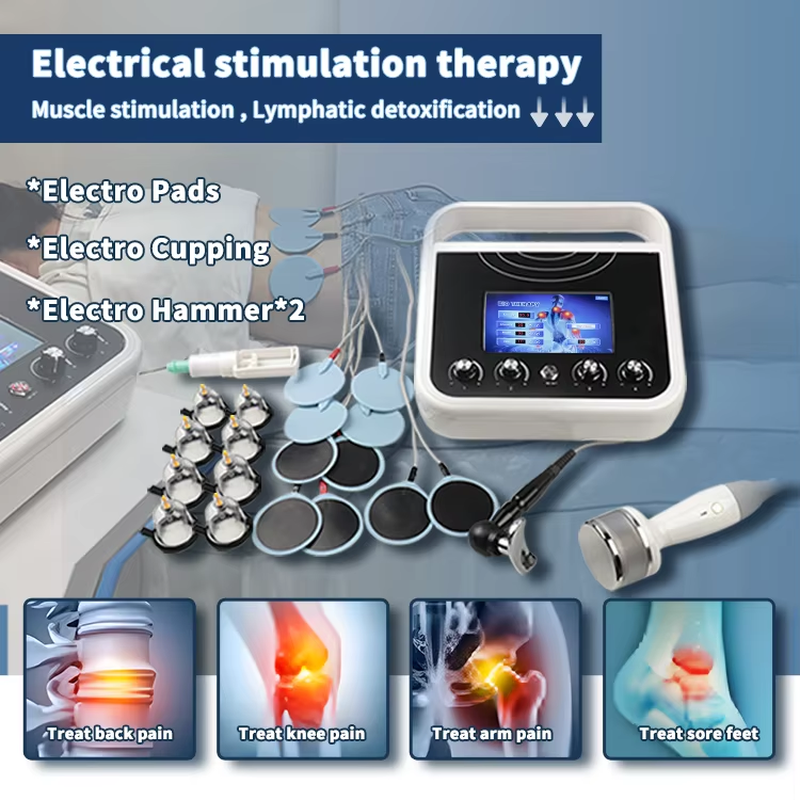
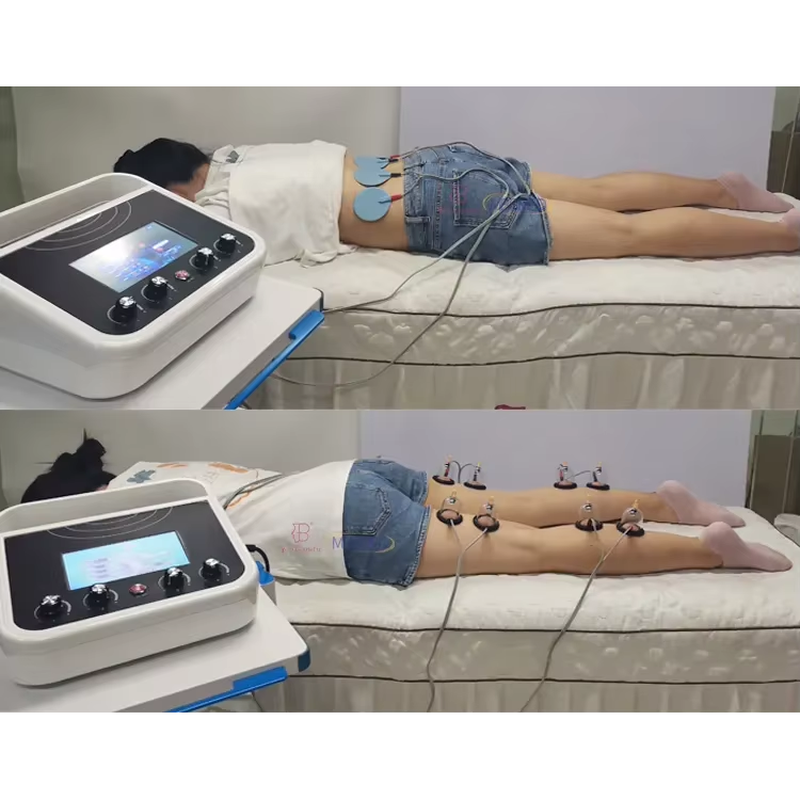
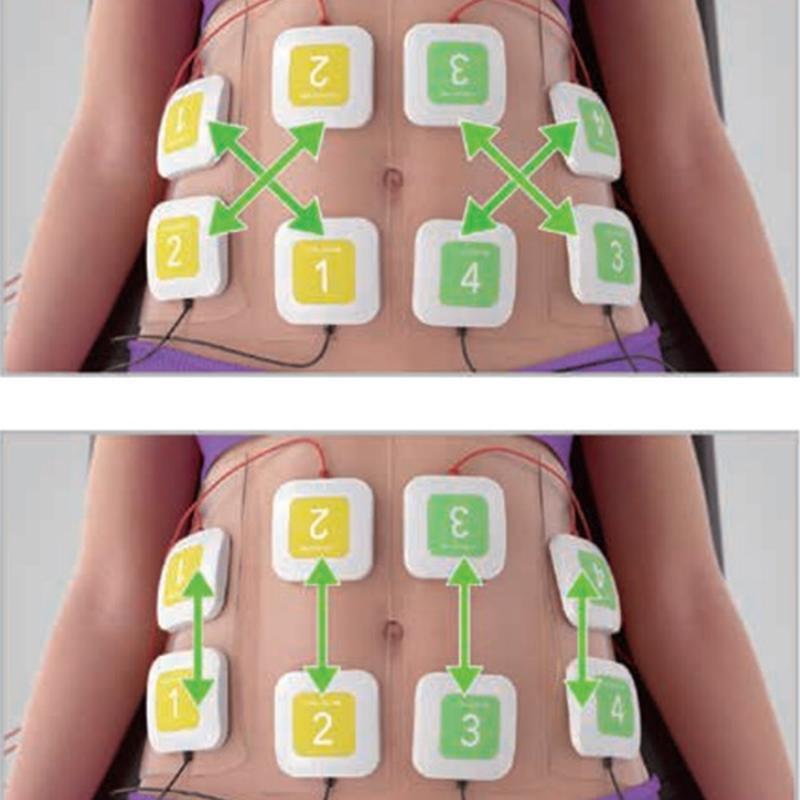
Facial muscle stimulation involves placing small, handheld probes or adhesive electrode pads on the skin’s surface. The device delivers mild electrical pulses — typically in the microampere to low milliampere range — that mimic the body’s own bioelectrical signals. These pulses reach the underlying facial muscles, causing gentle, involuntary contractions.
The face contains over 40 muscles, many of which weaken or lose tone with age, disuse, or repetitive expression patterns (frowning, squinting, smiling). Unlike skeletal muscles in the rest of the body, facial muscles are often under-exercised in a targeted way. FMS aims to “re-educate” these muscles through controlled, repeated contractions.
Common modalities include:
- Microcurrent facials — very low-level current, often described as “facial yoga with electricity.”
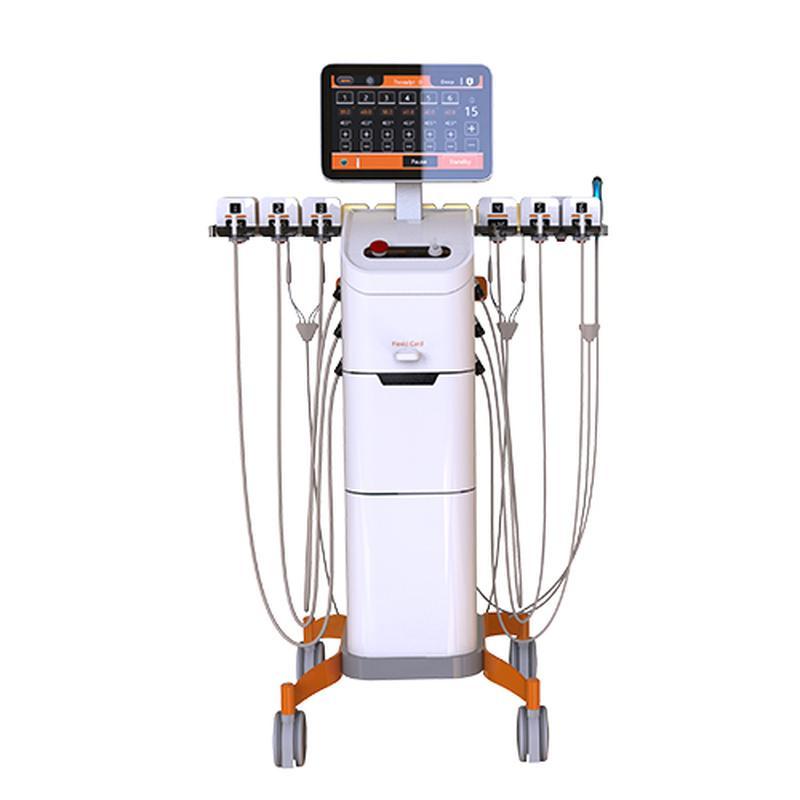
- Electrical Muscle Stimulation (EMS) — stronger contractions for toning and lifting.
- High-frequency facial treatments — different mechanism, focused on circulation and skin texture rather than muscle.
- Galvanic facials — uses direct current primarily for product penetration and lymphatic drainage.
How It Works: The Science
At its core, FMS operates on the principle of neuromuscular electrical stimulation (NMES). When an electrical current of the right frequency and amplitude reaches a motor nerve, it triggers an action potential, causing the muscle fibers it innervates to contract.
For facial applications, currents are carefully calibrated:
- Microcurrent (10–1,000 µA) — too low to cause visible contractions in many cases, but claimed to stimulate ATP production, collagen synthesis, and cellular metabolism at the dermal level.
- Low-frequency EMS (1–100 Hz) — produces visible, rhythmic muscle contractions that tone and strengthen facial muscles over repeated sessions.
Proponents argue that consistent FMS leads to:
- Muscle hypertrophy (increased muscle volume), which can “plump” sagging areas.
- Improved muscle tone and elasticity, creating a lifted appearance.
- Enhanced blood circulation, which nourishes skin cells and promotes a “glow.”
- Stimulation of fibroblasts, potentially increasing collagen and elastin production.
However, it is important to note that the depth of penetration and the specific muscles reached depend heavily on device type, electrode placement, current intensity, and individual anatomy.
Purported Benefits
Advocates and aesthetic practitioners claim a wide range of benefits from regular facial muscle stimulation:
- Facial lifting and contouring — particularly along the jawline, cheeks, and brows.
- Reduced appearance of fine lines and wrinkles — through improved skin texture and muscle fullness.
- Improved skin tone and texture — from increased blood flow and collagen stimulation.
- Reduced puffiness and lymphatic drainage — gentle currents can help move excess fluid.
- Faster recovery from cosmetic procedures — some clinics use FMS post-surgery to reduce swelling.
- Non-invasive and painless — most users describe only a mild tingling or prickling sensation.
- No downtime — unlike chemical peels, laser resurfacing, or surgery.
- Cumulative results — benefits are said to build over a series of treatments.
Many users report an immediate “plumped” or “glowing” appearance right after a session, likely due to increased circulation and temporary muscle swelling.
What the Evidence Says
The clinical evidence for facial muscle stimulation is mixed and limited, especially compared to more established treatments like Botox, dermal fillers, or laser therapy.
What research supports:
- Small studies have shown improvements in facial skin elasticity, blood flow, and subjective satisfaction scores after a series of microcurrent or EMS treatments.
- A 2021 study in the Journal of Cosmetic Dermatology found that 12 weeks of facial EMS improved cheek skin elasticity and reduced wrinkle depth in a small cohort.
- Microcurrent has been used in physical therapy and wound healing for decades, lending some biological plausibility to its skin-level effects.
Limitations of the evidence:
- Most studies are small, short-term, and lack large randomized controlled trials.
- Many “before-and-after” comparisons are subjective or based on low-quality photography.
- Industry funding is common in aesthetic device studies, which can introduce bias.
- Long-term effects and optimal treatment protocols are not well established.
- Results vary significantly between individuals based on age, skin condition, muscle baseline, and treatment consistency.
In short: FMS shows promise and is generally well-tolerated, but it should not be considered a proven equivalent to surgical or injectable facial rejuvenation.
What to Expect During a Treatment
A typical in-clinic facial muscle stimulation session follows this general flow:
- Consultation — a practitioner assesses your skin, goals, and medical history to determine if FMS is appropriate.
- Cleansing — the face is thoroughly cleaned to remove makeup, oils, and sunscreen.
- Conductive gel or serum — a conductive medium is applied to ensure even current distribution.
- Treatment — the practitioner glides handheld probes or places electrode pads across key facial zones (forehead, brows, cheeks, jawline, neck). The current is gradually increased to a comfortable level. Sessions typically last 20–60 minutes.
- Post-care — the gel is removed, and moisturizer or sunscreen is applied. There is usually no downtime.
Many providers recommend an initial series of 6–12 sessions (1–2 per week), followed by monthly maintenance sessions to sustain results.
At-home devices are also widely available, ranging from $50 entry-level wands to $500+ professional-grade systems. These generally deliver lower intensity than in-clinic machines and require consistent, long-term use.
Safety and Side Effects
Facial muscle stimulation is generally considered low-risk when performed correctly with properly calibrated devices. However, it is not risk-free.
Common, mild side effects:
- Temporary redness or slight skin irritation at electrode sites.
- Muscle soreness or fatigue, similar to a mild workout.
- Tingling or mild discomfort during treatment.
- Temporary puffiness or swelling.
Rare or more serious risks (usually from misuse):
- Skin burns or blistering from improper electrode contact or excessive current.
- Muscle strain or twitching from over-treatment.
- Headache or fatigue in sensitive individuals.
- Interference with implanted medical devices.
Contraindications — FMS is generally not recommended for people who:
- Have a pacemaker or other implanted electrical device.
- Have a history of seizures or epilepsy.
- Are pregnant (studies on safety during pregnancy are lacking).
- Have active skin infections, open wounds, or severe acne in the treatment area.
- Have certain neurological conditions or facial nerve disorders (e.g., Bell’s palsy history — consult a doctor first).
- Have metal implants in the facial area.
Always consult a qualified practitioner before starting FMS, especially if you have underlying health conditions.
FMS vs. Other Facial Treatments
| Treatment | Mechanism | Results | Downtime | Cost Range (US) |
|---|---|---|---|---|
| Facial Muscle Stimulation | Electrical muscle contraction & skin cell stimulation | Mild lift, improved tone | None | $50–$300/session |
| Botox | Neurotoxin relaxes muscles causing wrinkles | Reduces dynamic wrinkles | None to mild | $200–$600/area |
| Dermal Fillers | Injectable gel adds volume | Restores volume, fills lines | Mild swelling/bruising | $500–$2,000+/session |
| Microneedling | Controlled micro-injuries stimulate collagen | Improves texture, scars, fine lines | 1–3 days | $200–$700/session |
| Laser Resurfacing | Light energy targets skin layers | Significant skin rejuvenation | Days to weeks | $1,000–$5,000+ |
| Facelift Surgery | Surgical tightening of skin and muscle | Dramatic, long-lasting lift | 1–2+ weeks | $8,000–$20,000+ |
FMS occupies a unique niche: it is gentler and less expensive than surgical or injectable options, but its effects are more subtle and temporary. It is best suited for individuals in their 30s to 50s who are looking for preventive or maintenance-level rejuvenation, or those who want to avoid more invasive procedures.
The Bottom Line
Facial muscle stimulation is an intriguing, low-risk option for anyone seeking mild facial rejuvenation without needles, lasers, or surgery. Its immediate “glow” effect and cumulative toning benefits make it a popular pre-event treatment and a satisfying addition to a long-term skincare routine.
That said, managing expectations is critical. FMS will not replace a facelift or correct severe sagging. Its results are subtle, gradual, and require ongoing maintenance. Quality of treatment also varies enormously depending on the device, the practitioner’s skill, and individual response.
If you’re considering FMS:
- Start with a consultation from a licensed, experienced aesthetic provider.
- Ask for before-and-after photos of real clients (not stock imagery).
- Be wary of devices or clinics promising dramatic, surgical-like results.
- Combine FMS with a solid at-home skincare routine (sunscreen, retinoids, hydration) for best outcomes.
- View it as one tool in a broader approach to skin health — not a standalone miracle.
As research in aesthetic electrotherapy continues to evolve, facial muscle stimulation will likely become better understood, more targeted, and more evidence-based. For now, it remains a popular, low-risk option for those willing to invest time and consistency for gradual, natural-looking improvement.
Research References
Below is a curated selection of peer-reviewed studies and clinical research on facial muscle stimulation, microcurrent therapy, and related facial electrotherapy modalities, sourced primarily from PubMed.
Facial Neuromuscular Electrical Stimulation (NMES/EMS) for Aesthetics
Bae KT, Galstian A, Lee S, et al. (2026). Facial Electrical Muscle Stimulation for Soft-tissue Lifting and Symmetry Enhancement. Plastic and Reconstructive Surgery – Global Open. PMID: 42499807 — Examined facial NMES for aesthetic soft-tissue lifting and symmetry, noting evidence for functional muscle recruitment but limited aesthetic data.
Omatsu J, Yamashita T, Mori T, et al. (2024). Neuromuscular electrical stimulation for facial wrinkles and sagging: The 8-week prospective, split-face, controlled trial in Asians. Journal of Cosmetic Dermatology. PMID: 38992992 — A prospective split-face study finding that high-frequency fNMES (40–190 kHz) improved facial wrinkles and sagging over 8 weeks in Asian participants.
Manuskiatti W, Wannawittayapa T, Buranaporn P, et al. (2025). The Efficacy and Safety of Synchronized Radiofrequency and High Intensity Facial Electrical Stimulation in Improving Facial Skin Laxity and Quality in Asians. Lasers in Surgery and Medicine. PMID: 39800907 — Evaluated combined RF and high-intensity facial electrical stimulation, demonstrating improvements in facial skin laxity and quality in Asian patients.
Jiang B, Chen B, Xu J, et al. (2025). Focused Electric Field Technology: A Novel Myoelectrical Stimulation Technology for Noninvasive Aging Muscle Rejuvenation. Journal of Cosmetic Dermatology. PMID: 39719683 — Investigated wearable myoelectrical stimulation devices and their cosmetic effects on aging facial muscles, exploring the underlying mechanisms.
Microcurrent & Multi-Energy Facial Devices
Goldberg DJ, Lal K. (2024). Treatment with synchronized radiofrequency and facial muscle stimulation: Histologic analysis of human skin for changes in collagen and elastin fibers. Journal of Cosmetic Dermatology. PMID: 38468421 — Histologic analysis of human skin after combined RF and facial muscle stimulation, showing measurable changes in dermal collagen and elastin fibers.
Kubik P, Gruszczyński W, Pawłowska A, et al. (2026). Clinical and Instrument-Based Evaluation of Plasma IQ Microcurrent Radiofrequency for Periorbital Skin Rejuvenation. Biomedicines. PMID: 41898324 — Evaluated microcurrent RF technology for periorbital skin rejuvenation, using both clinical and instrument-based outcome measures.
Nobile V, Michelotti A, Cestone E, et al. (2016). A home-based eyebrows lifting effect using a novel device that emits electrostatic pulses containing RF energy, resulting in high frequency, low level transdermal microcurrent pulsations: Double blind, randomized clinical study of efficacy and safety. Journal of Cosmetic and Laser Therapy. PMID: 26963615 — A double-blind, randomized clinical trial demonstrating eyebrow-lifting effects from a home-use microcurrent/RF device.
Choi S, Kim J, Lee YI, et al. (2024). Efficacy and safety of a home-use handheld multi-energy-based device for skin rejuvenation: clinical, ex vivo, and histological studies. Lasers in Medical Science. PMID: 38236440 — Assessed the safety and efficacy of a home-use multi-energy device (including microcurrent) for skin rejuvenation through clinical, ex vivo, and histological analyses.
Home-Use Device Research & Reviews
- Bu P, Duan R, Luo J, et al. (2024). Development of Home Beauty Devices for Facial Rejuvenation: Establishment of Efficacy Evaluation System. Clinical, Cosmetic and Investigational Dermatology. PMID: 38476342 — Reviews home beauty devices (RF, microcurrent, LED) for facial rejuvenation and proposes a standardized efficacy evaluation framework.
Related: Facial Muscle Stimulation for Functional/Medical Applications
- Chelnis JG, Chelnis A. (2025). Dynamic Muscle Stimulation of the Periorbital Area for Improvement of Blinking in Dry Eye Patients. Clinical Ophthalmology. PMID: 40166689 — Demonstrated that periorbital dynamic muscle stimulation improved blinking quality in dry eye patients with Meibomian gland dysfunction, illustrating functional benefits of facial EMS.
Additional Background Resources
- PubMed Search: "facial microcurrent" — pubmed.ncbi.nlm.nih.gov/?term=facial+microcurrent
- PubMed Search: "facial electrical muscle stimulation" — pubmed.ncbi.nlm.nih.gov/?term=facial+electrical+muscle+stimulation
- International Society of Aesthetic Plastic Surgery (ISAPS) — Global survey data on non-surgical aesthetic trends. isaps.org
- American Academy of Dermatology (AAD) — Consumer information on non-invasive facial rejuvenation options. aad.org
Disclaimer: This article is for informational purposes only and does not constitute medical advice. Always consult a qualified healthcare provider before starting any new cosmetic or medical treatment.